
Compactor Containers





Recommended For businesses with

IGA and Supa IGA Stores
Supermarkets
Manufacturers
Hotels and Restaurants
Logistics Companies
Warehouses
Large Retail
Mine Sites
Benefits of the Compactor Containers
Specifications
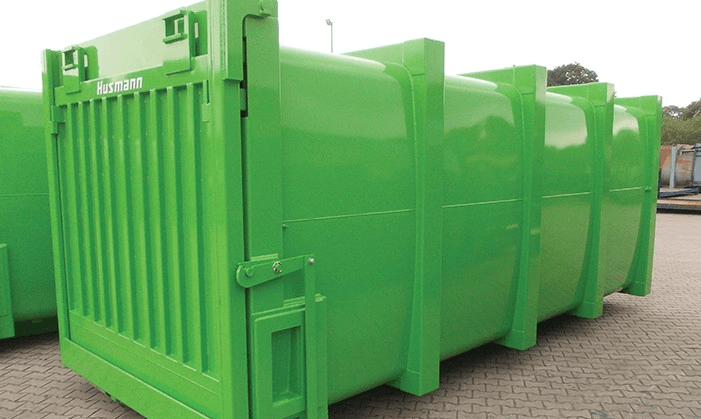
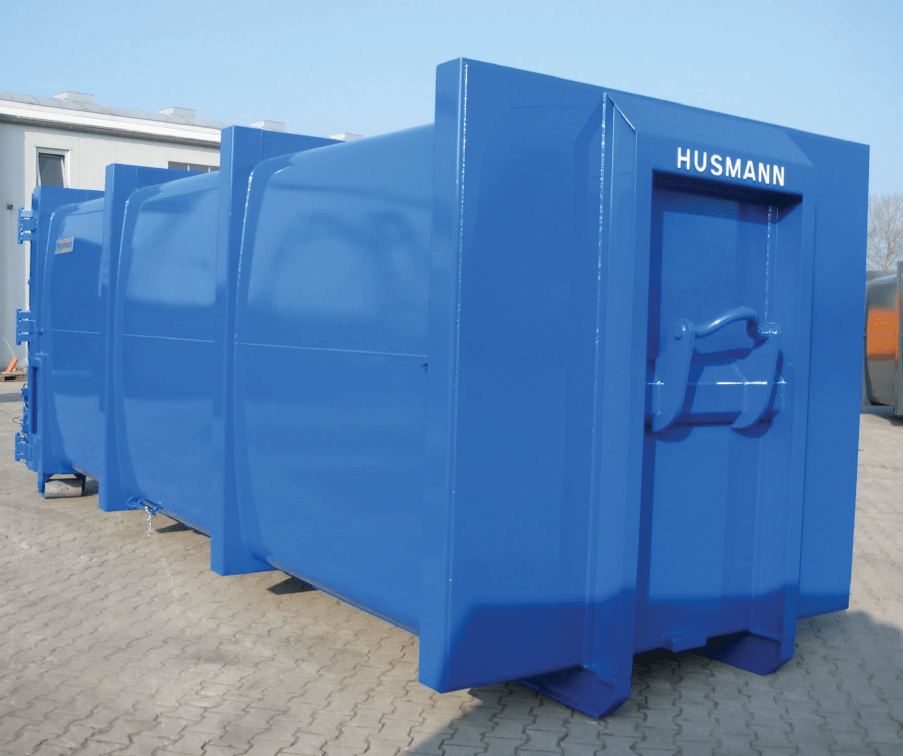
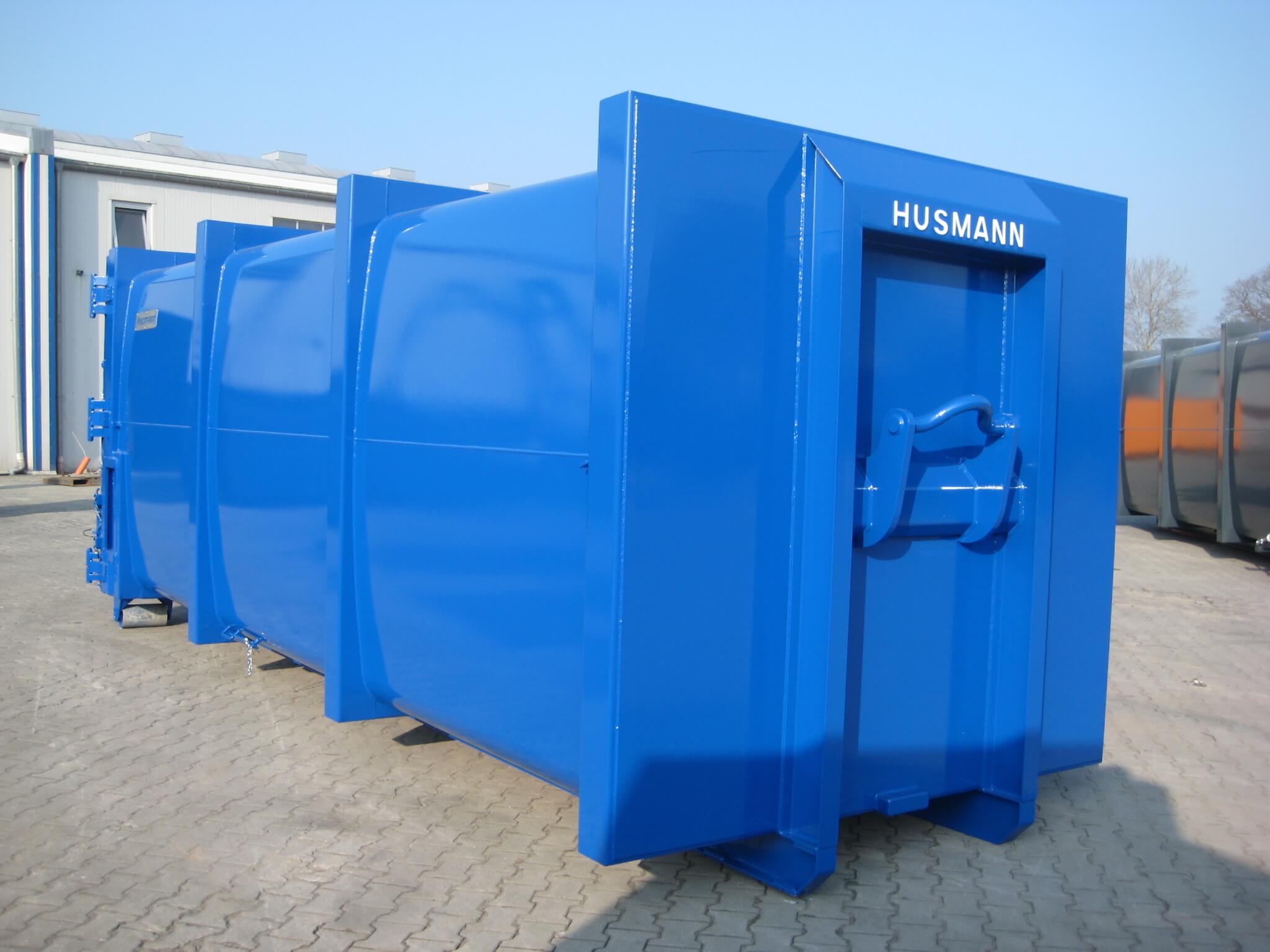
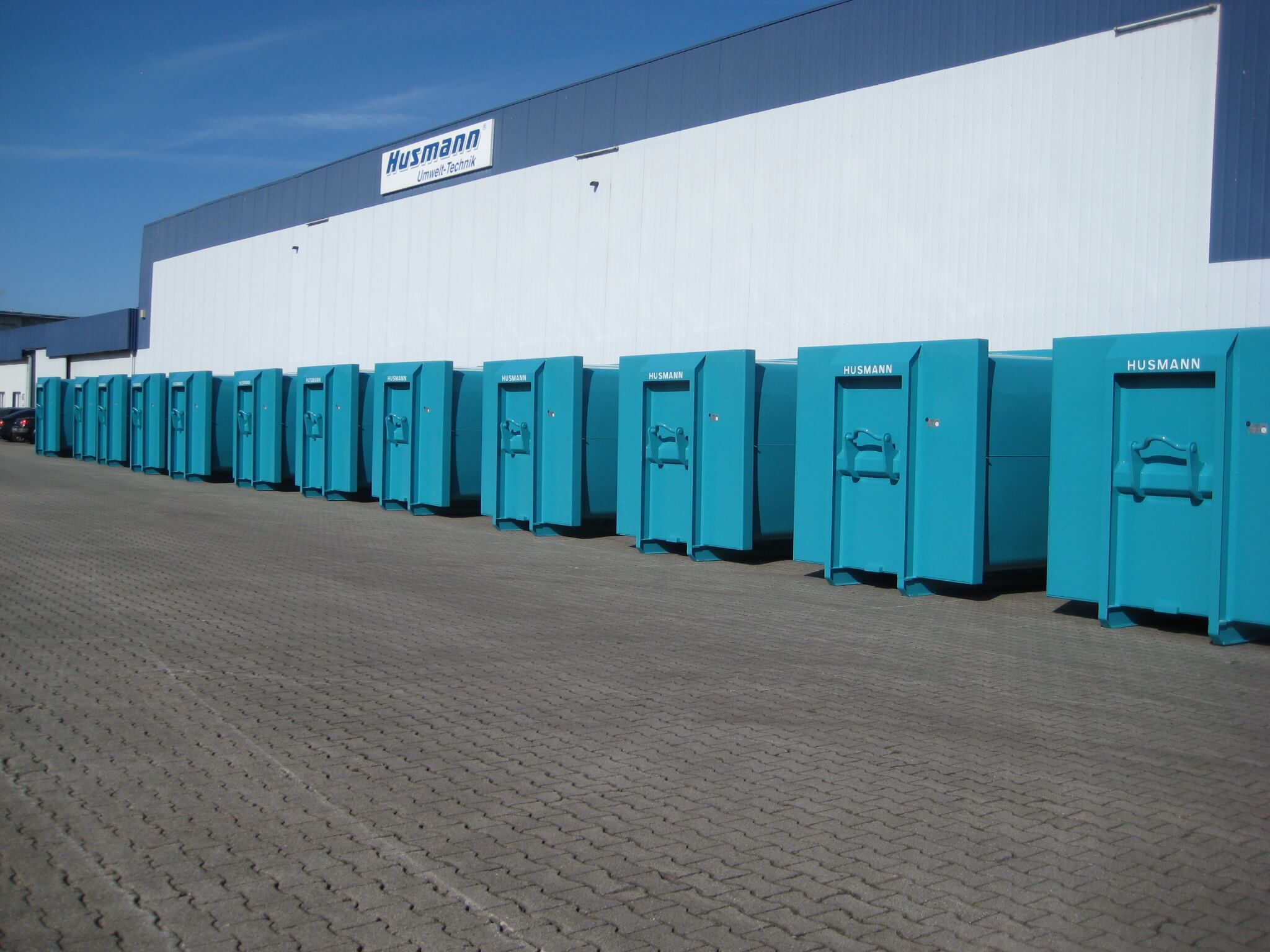
- container for compactor for tipper depositing vehicle - Typ PM-E.
- Adaptable to local conditions.
- Container for hook system compactor - Ty PM-E.
- Static compactor container for universal use for collection with a hook lift vehicle.
- Optionally available with a door slider for optimal sealing when the container is detached from the compactors.
- Container for hook and rail transport system (ACTS) compactor - Typ ACTS-PM-E.
- The press container can be used in stationary presses with a maximum pressing force of up to 50 tons.
- For loading bulk material, a filling opening is optionally available in the upper part of the container. The two-part lid is operated by hydraulic cylinders.
- Cylinders can be supplied by a built-in hand pump, the vehicle's hydraulic system or a stationary unit.
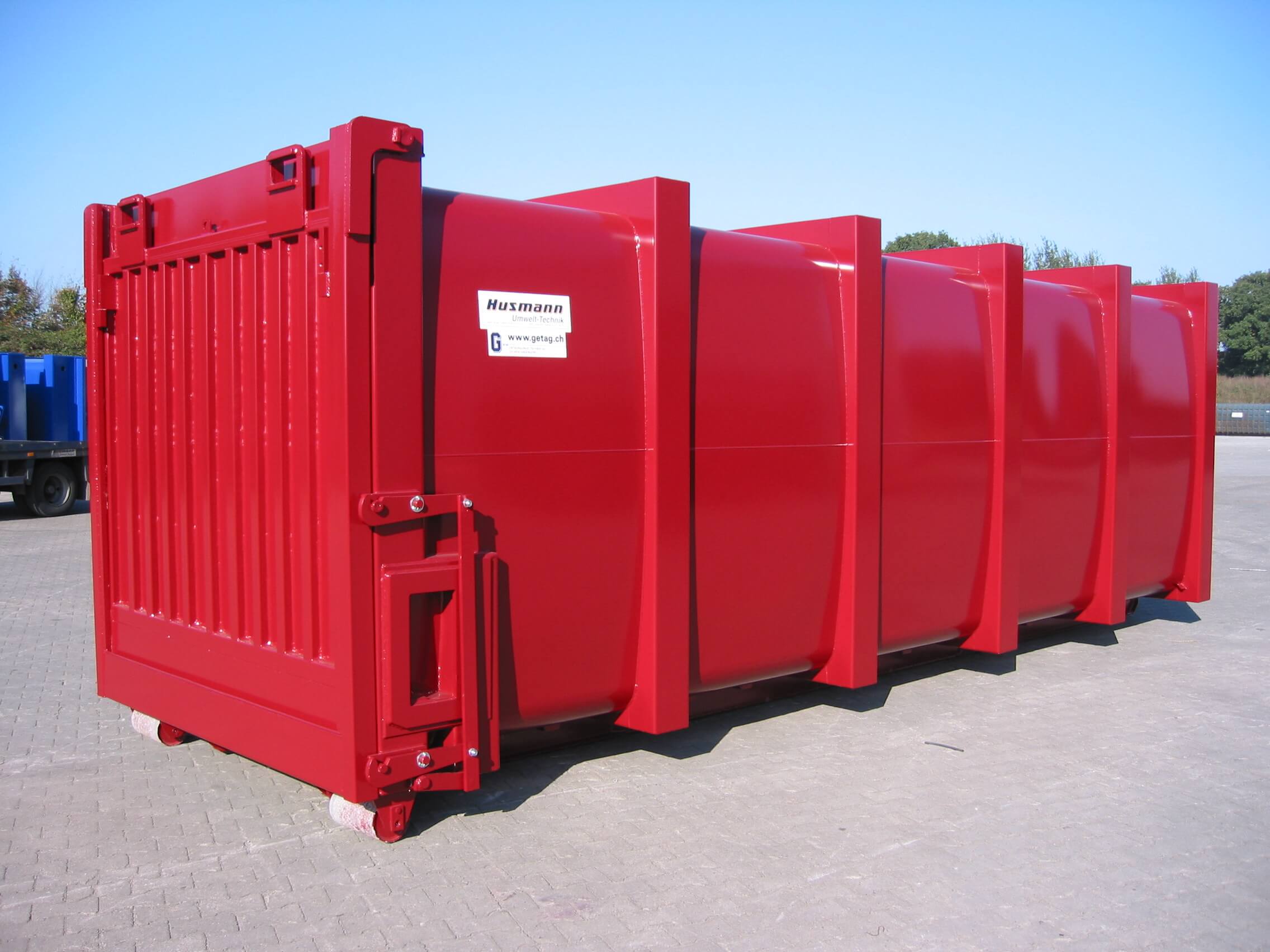
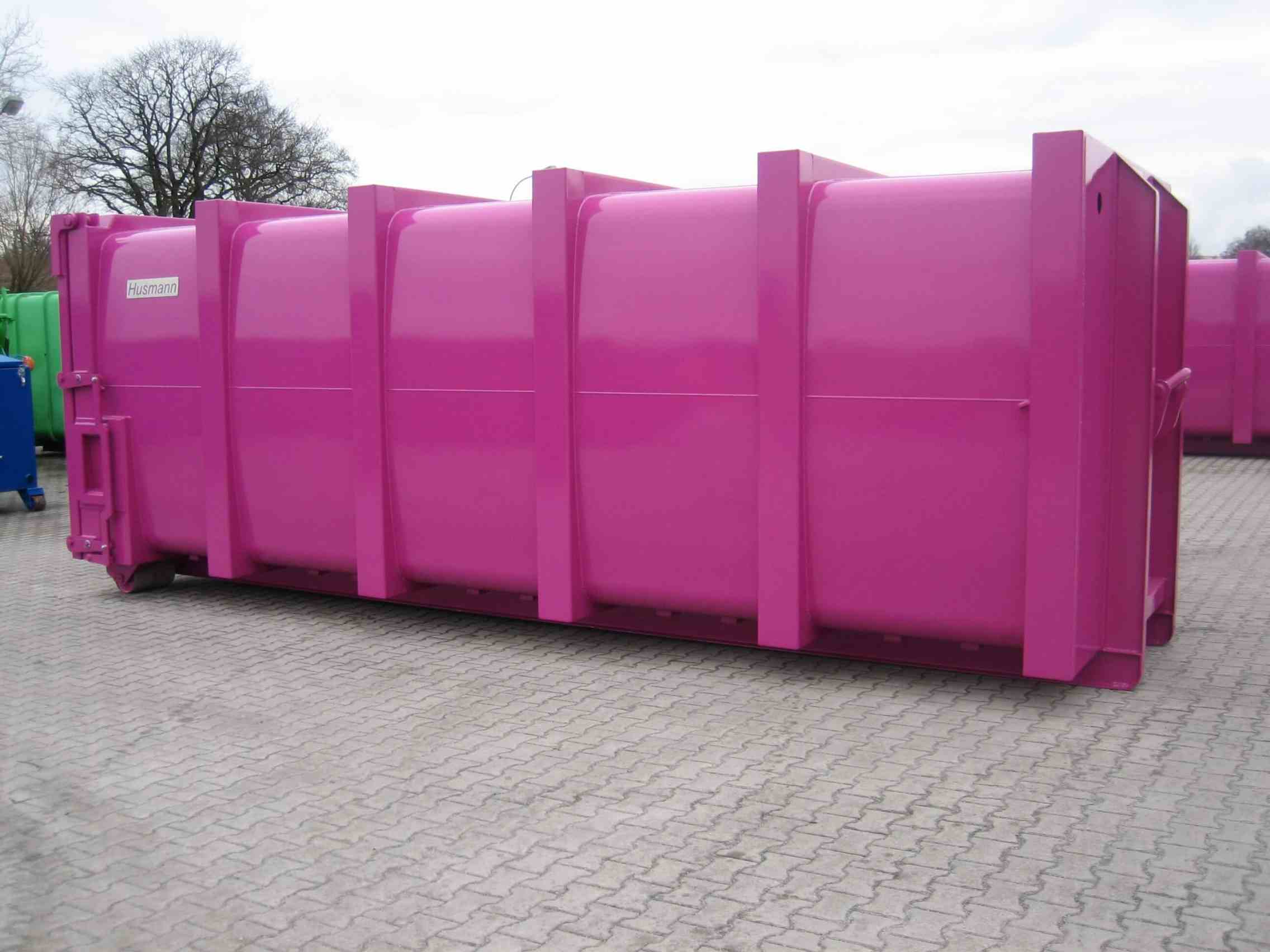
- Continuously welded sheets.
- Swing flap or emptying door.
- Rope, hook or chain receiving system.
- Taper in the container height, increasing from the front side.
- Galvanized ratchet closure.
- Round-rolled side walls.
- Optional rope or flap emptying aid.
- Stable end frames on the front and emptying side.
- Optional hydraulic ejection shield.
- Easy and clean emptying.
- Special sizes and designs on request Available for all presses on the market.
Specifications
- Continuously welded sheets.
- Swing flap or emptying door.
- Rope, hook or chain receiving system.
- Taper in the container height, increasing from the front side.
- Galvanized ratchet closure.
- Round-rolled side walls.
- Optional rope or flap emptying aid.
- Stable end frames on the front and emptying side.
- Optional hydraulic ejection shield.
- Easy and clean emptying.
- Special sizes and designs on request Available for all presses on the market.
Compactor Containers Detail's
Need a different baler size? See our Larger and Smaller models

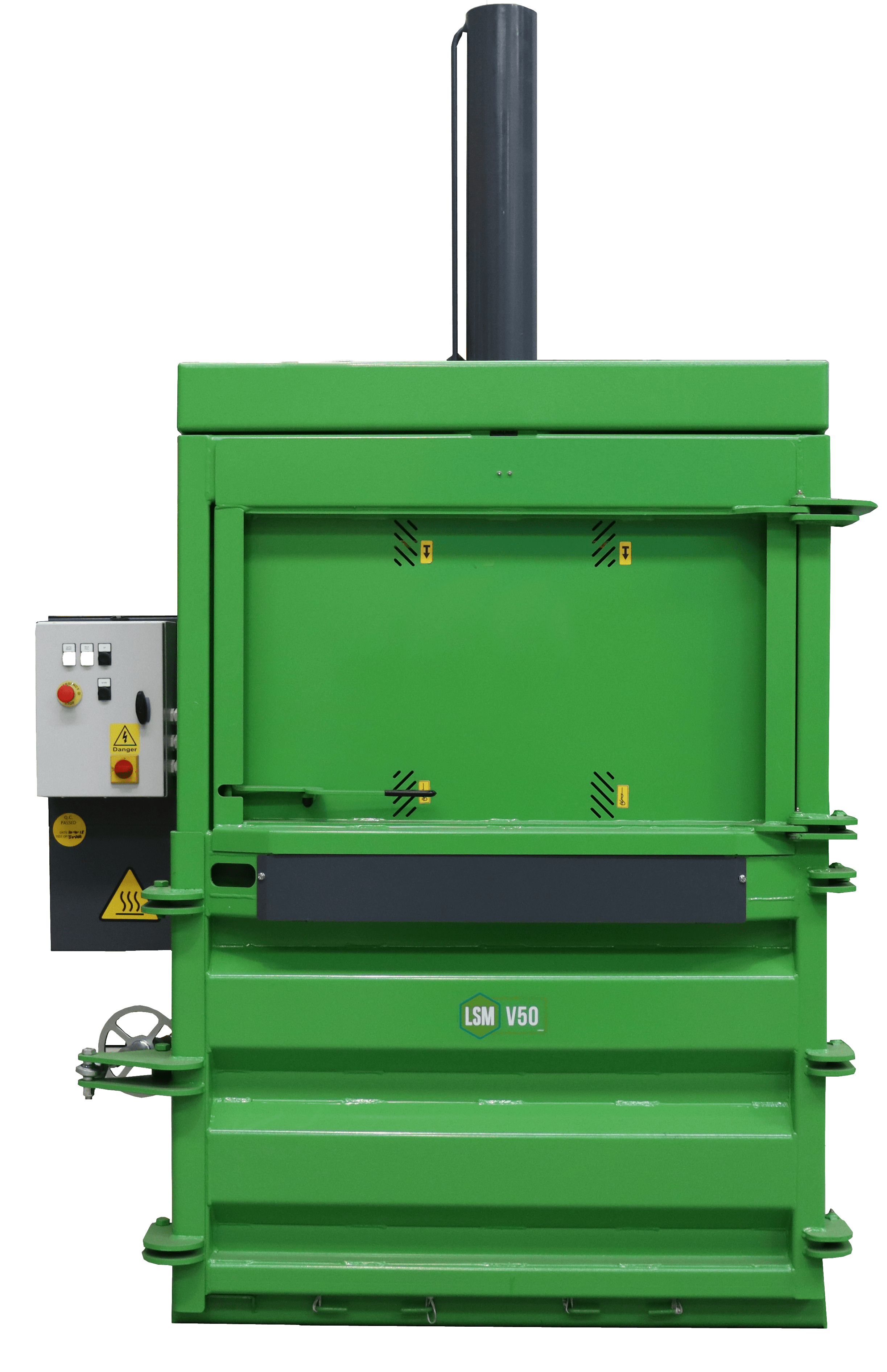
Check out our Collection Systems


Select another category


FAQ for Compactor Containers: Commercial FAQs & Technical Specifications
A compactor container (often called a receiver bin, RoRo compactor box, or roll-on/roll-off container) is a reinforced, high-tensile steel enclosed bin engineered specifically to couple with a static (stationary) compactor. Unlike ordinary open-top transport skips, compactor containers feature heavy structural ribbing, curved sidewalls, internal deflector plates, and reinforced rear discharge doors designed to endure internal hydraulic pressures exceeding 30 to 50 tonnes of lateral force without warping, bowing, or bursting.
The connection between the stationary press head and the detachable container must be rigid and airtight to prevent waste spillage during operation:
- Ratchet Binder Clamps: Heavy-duty turnbuckle hooks or mechanical screw ratchets secure the container frame tightly against the compactor discharge flange.
- Hydraulic Auto-Coupling: High-throughput facilities often use automated hydraulic dog-lock pins that clamp the container to the compaction unit at the touch of a button.
- Flange Alignment & Gaskets: A matching perimeter flange lined with impact-resistant elastomeric seals prevents dust, loose debris, or fine particles from escaping around the seam.
Standard RoRo bins are passive collection skips, whereas compactor containers are pressurized containment vessels:
Engineering Feature | Static Compactor Container | Standard Open-Top RoRo Skip |
|---|---|---|
Structural Reinforcement | Close-pitch vertical ribs, gusseted corners, curved sidewalls | Wider-spaced side uprights with open tops |
Roof Construction | Fully enclosed, continuously welded domed or peaked steel roof | Open-top or lightweight sliding tarp mesh |
Material Resistance | Designed to withstand continuous lateral expansion stress | Intended for gravitational weight loading only |
Discharge Mechanism | Heavy-duty side-hinged door with multi-point safety locks | Top-hinged barn doors or simple drop tailgate |
Payload Capacity | Packs 4 to 8 times more tonnage per cubic meter | Limited strictly to uncompacted material bulk volume |
Compactor containers are manufactured in multiple volumetric formats to match truck gross vehicle limits and site footprint needs:
Container Model | Volumetric Capacity | Typical Dimensions (L × W × H) | Recommended Application |
|---|---|---|---|
Compact RoRo | 15 m3 to 20 m3 | 5.0 m × 2.4 m × 2.0 m | Space-constrained basements, underground docks, shopping mall service bays |
Mid-Size Industrial | 22 m3 to 26 m3 | 6.0 m × 2.4 m × 2.3 m | Large supermarkets, distribution centers, print manufacturing |
Maximum Volume | 30 m3 to 35 m3 | 6.8 m × 2.4 m × 2.6 m | High-volume logistics hubs, cardboard recycling yards, transfer stations |
Container design directly impacts how easily dense, compacted material slides out at the disposal facility:
- Tapered Profile (Conical Shape): The container body gradually widens from the front intake mouth toward the rear discharge door (typically by 100 mm to 150 mm). This slight outward taper prevents compressed cardboard and plastic bales from wedging against sidewalls during tipping.
- Curved / Octagonal Sidewalls: Curved or multi-faceted sides eliminate square interior corners where materials can bind, while offering superior structural rigidity without adding unnecessary steel deadweight.
- Smooth-Wall Monocoque Design: Advanced designs use pressed high-strength sheets with fewer external ribs to reduce air resistance during highway transport, maintain a sleek visual appearance, and prevent dirt buildup on the exterior.
Yes. Smart Waste Australia compactor containers are built to comply with Australian transport standards:
- Standard Hook-Lift Interface: High-tensile steel front hook-lift bale (typically at 1,570 mm pin height) engineered to DIN 30722 / Australian hook-lift chassis standards.
- Twin-Cable / Wire-Rope Pulls: Can be fitted with cable-pull sheaves and front A-frames for wire-rope skip and RoRo retrieval vehicles.
- Heavy-Duty Ground Rollers: Rear steel rollers with greasable phosphor bronze or composite bushings to protect concrete loading bay slabs during hook loading and unloading.
When the static compactor ram retracts, compressed waste naturally tries to decompress into the empty charge chamber. Compactor containers feature:
- Fixed Internal Retaining Teeth (Barbs): Heavy-gauge triangular steel hooks welded along the container intake roof and side portals catch expanding cardboard and plastic, locking it forward.
- Fabricated Retaining Doors / Flaps: Counterbalanced swinging steel retention flaps that open outward under ram pressure and swing shut when the ram withdraws, sealing the waste inside the main body.
Discharging several tonnes of tightly compressed waste creates significant pressure against the rear door:
- Ratchet Door Locks: High-tensile acme-threaded screw ratchets clamp the door securely against rubber gaskets.
- Side-Mounted Safety Release Catch: Operators disengage the door latch from the side of the container, remaining completely out of the rear swing radius to prevent crushing injuries if material spills outward.
- Hydraulic Rear Doors: Automatically lifting rear tailgates operated by remote pendant or truck hydraulics for fast, hands-free tipping at waste transfer centers.
Regular preventative maintenance ensures structural integrity and extends container life:
- Rear Roller Lubrication: Greasing axle pins and ground rollers every 3 to 6 months to prevent flat-spotting on hardstand concrete.
- Intake Teeth and Hinge Inspection: Inspecting internal barbs and rear door hinges for structural fatigue or weld stress fractures.
- Seal Replacement: Checking and replacing rear door rubber gaskets to prevent fluid weeping during transport. Smart Waste Australia supplies replacement containers, custom hopper transitions, and nationwide structural repair services.