
Two Shaft Shredders HL | 1617




Recommended For businesses

Mine Sites
Logistics Companies
Warehouses
Manufacturers
Councils
Waste Transfer Stations
Councils
Waste Transfer Stations
Benefits of the HL | 1617
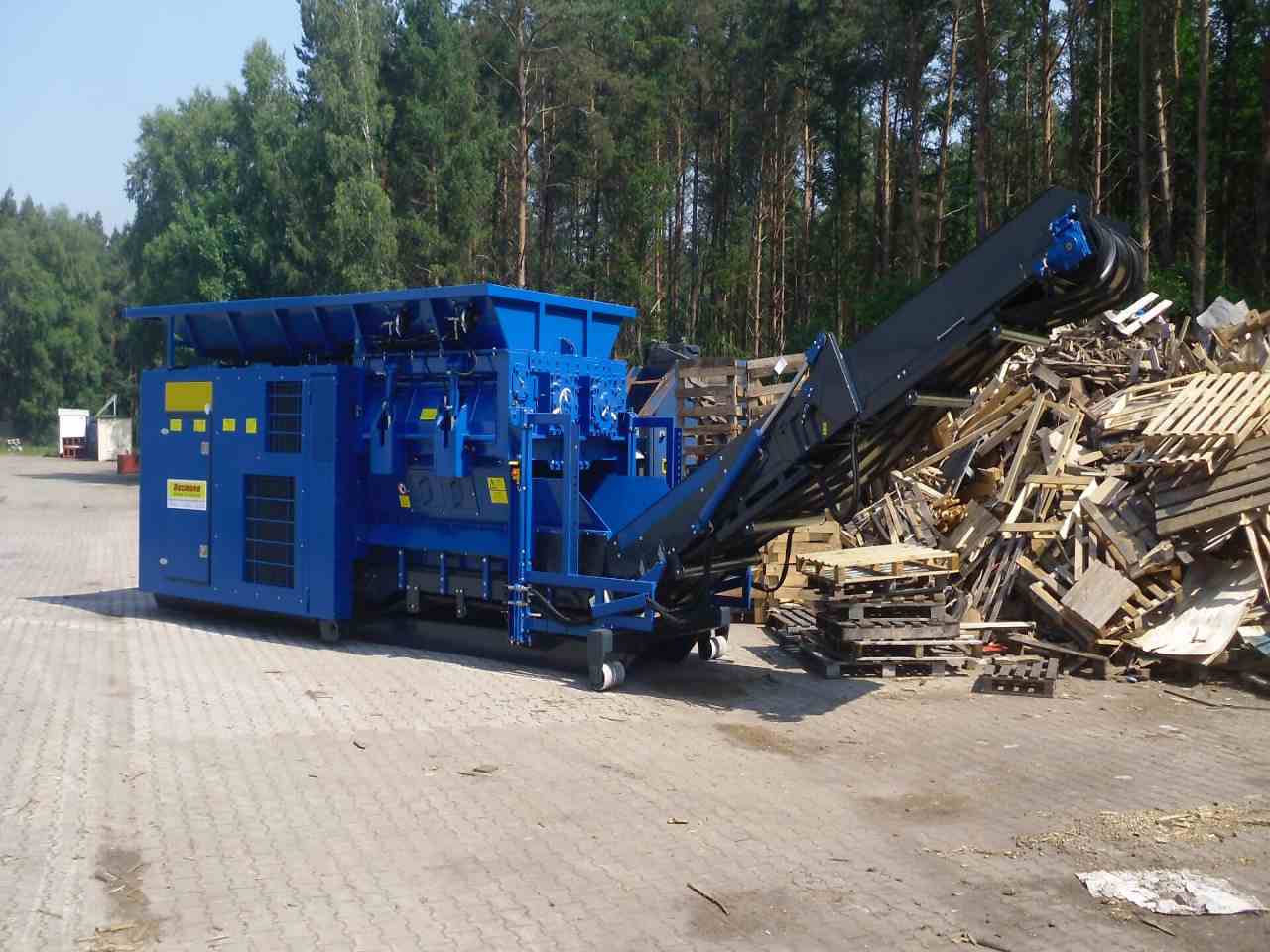
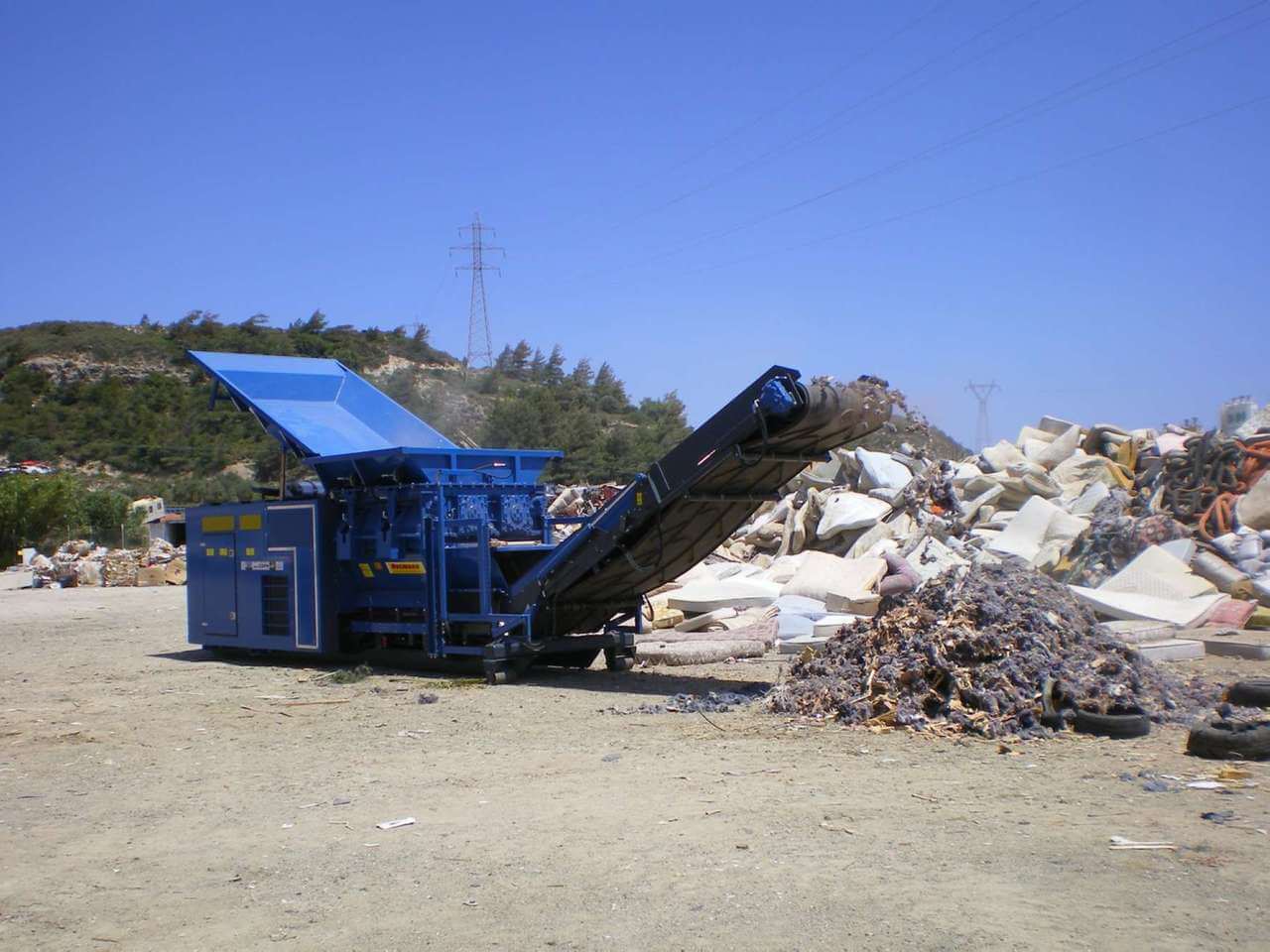
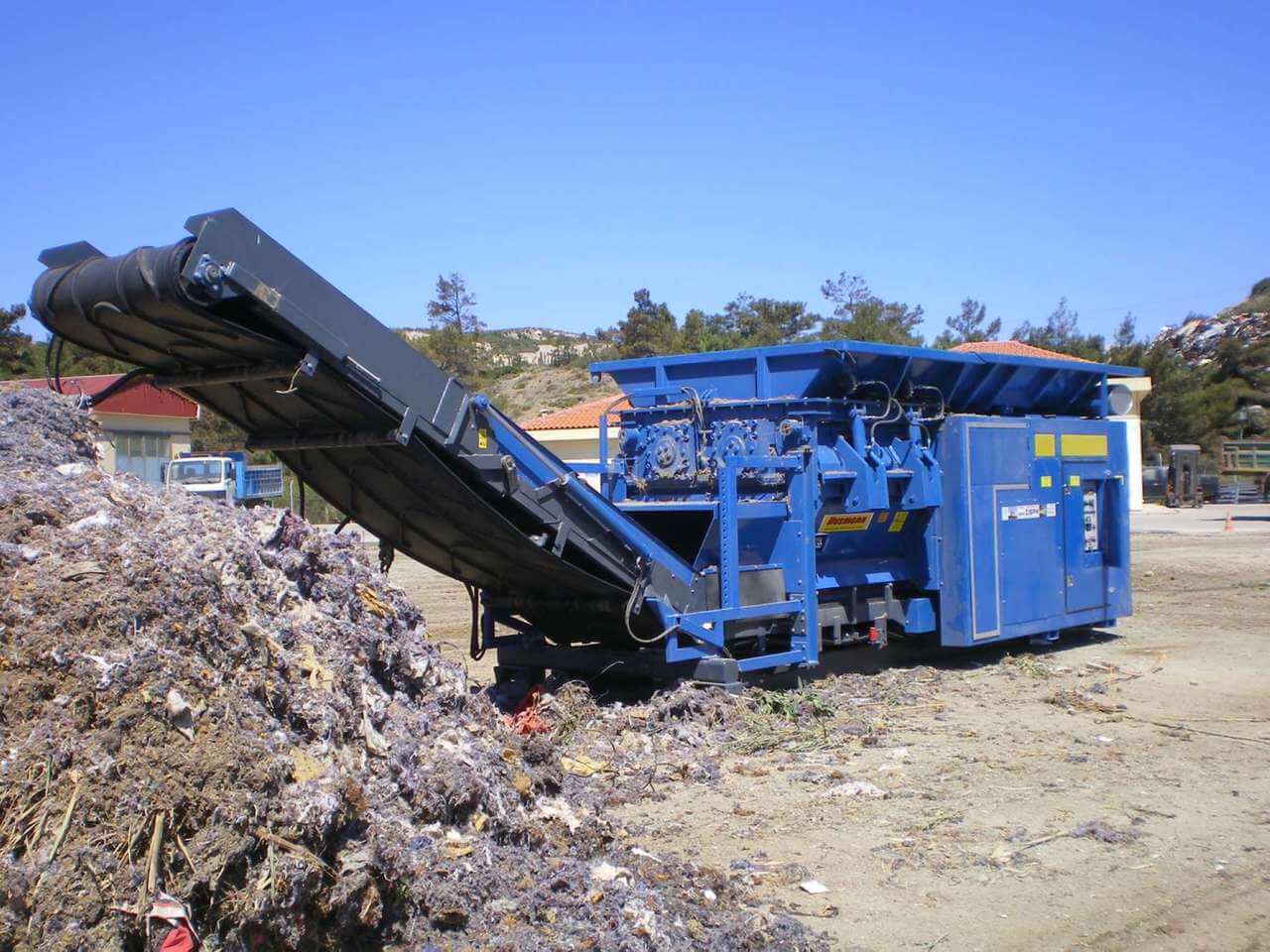
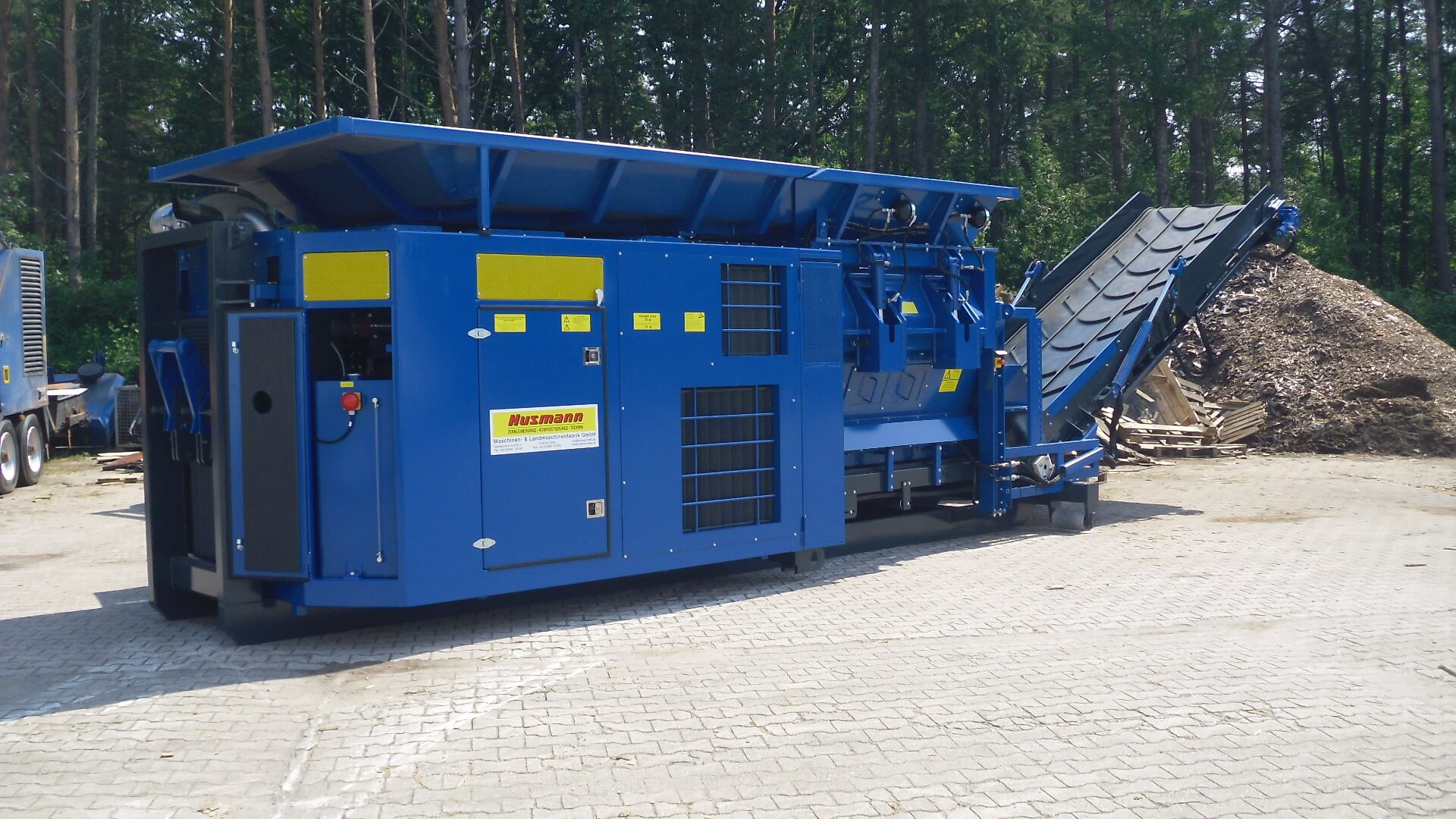
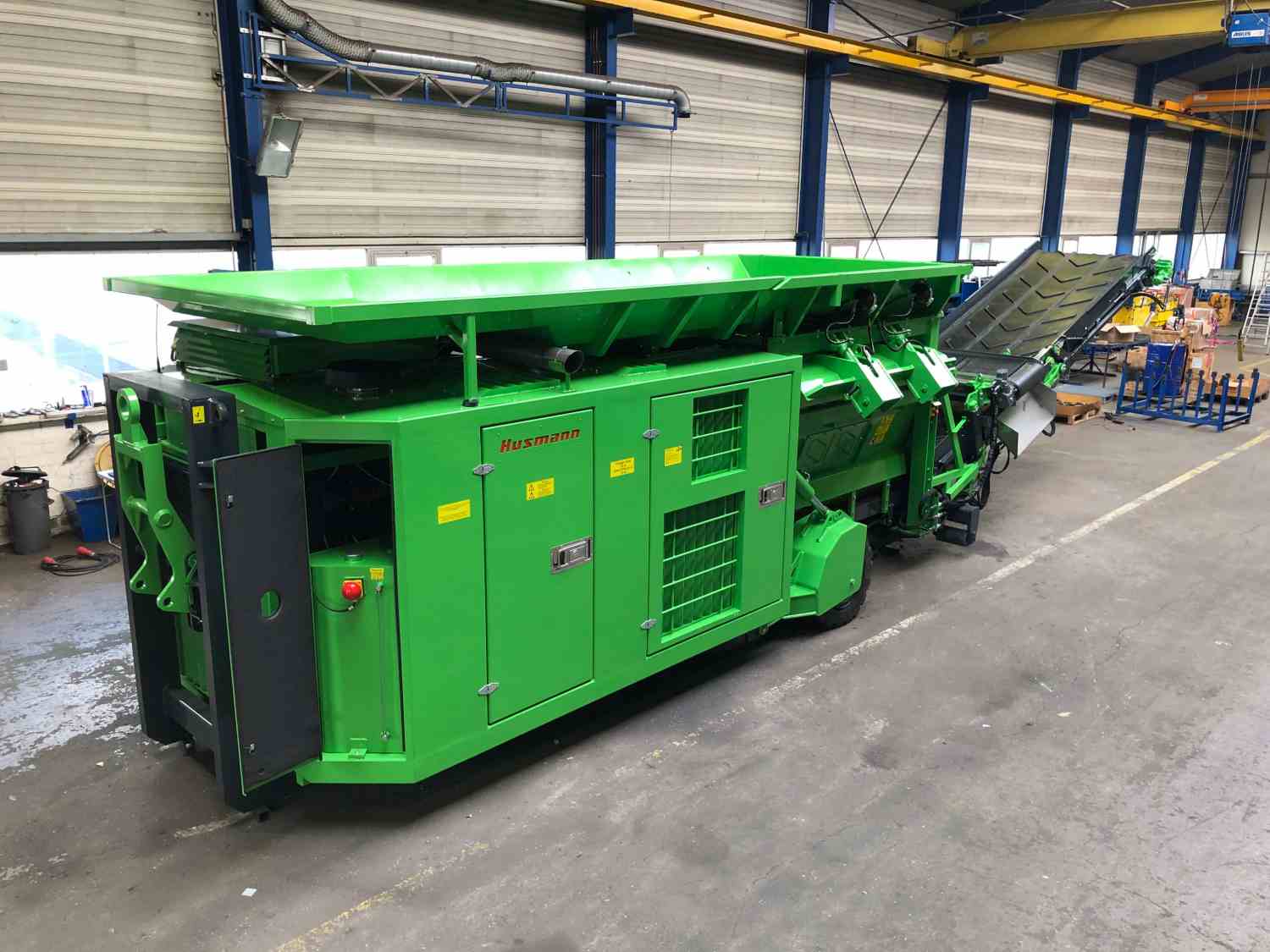
- These mobile shredding systems are specially designed to shred material such as garbage, bulky waste, as well as mixed construction waste and waste wood.
- The feed material is fed via the hopper to the crusher shafts, which slowly converge.
- The slow-running crushing plants are manufactured in different sizes and are each equipped according to the application.
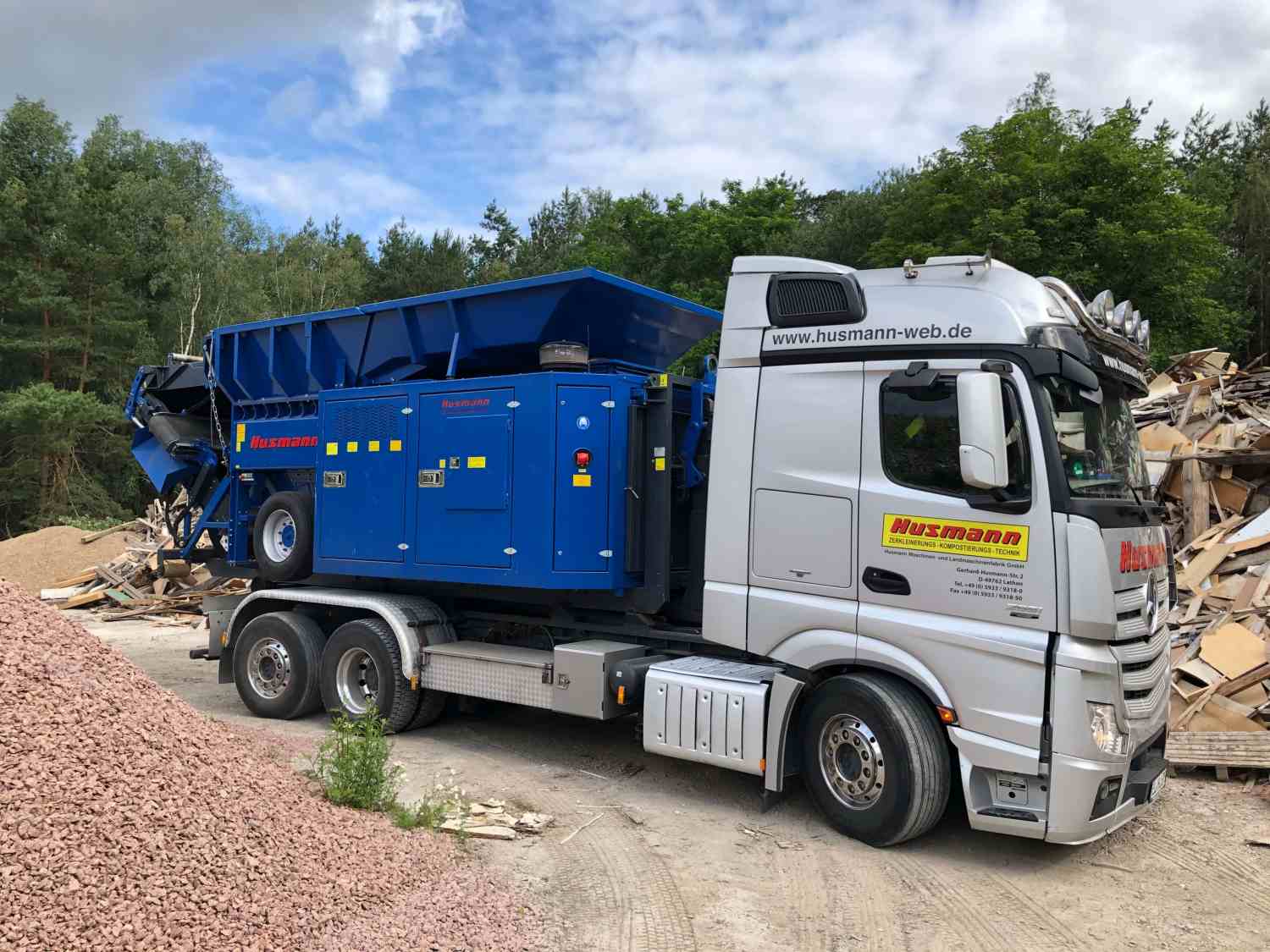
- The areas of mobile use and stationary use are completely covered. The drive here is possible either via a diesel engine or an electric drive.
- At the customer's request, Smart Waste also innovatively plans and implements special systems, including in the form of complete system lines as a complete project, on the basis of a fair price-performance ratio.
Specifications
- Shredder : 2-shaft crusher with an adjustable working speed of 20 - 40 грм.
- Hydraulic system : Two separate hydraulic systems with their own tank, pumps and motors , Tank capacity - main engines: 200 liters, Tank capacity - power take-offs: 260 liters. Overload protection and reversing device.
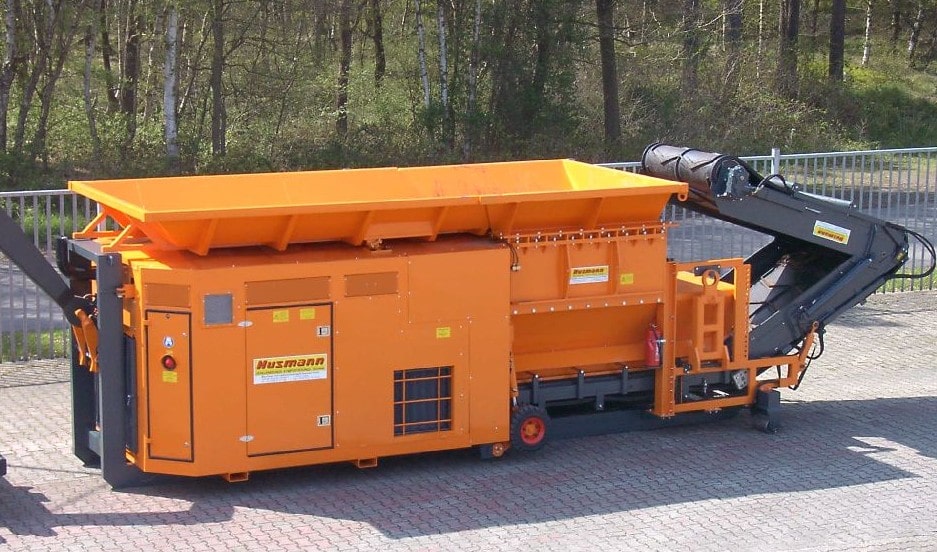
- Hopper : made of highly wear-resistant steel -Funnel dimensions: 2,500 x 6,400 mm.
- Knife work : 24 knives , Knife width 50 mm screwable knife blade Shaft diameter: 660 mm , Wavelength: 1,700 mm , Screwed, highly wear , resistant shaft scrapers and knives Shafts manufactured with heavy , duty spherical roller bearings in special bearing housings.
- Cutting unit opening : 1,600 x 1,700 mm, covered with knife shafts .
- Engine : CAT turbodiesel with an output of P = 354 kW, valid Euro emissions standard -Electric motors with an output of P = 2x 160 kW each.
- Diesel tank : Two tanks, content: 400 liters (for diesel-powered machines) .
- Drive : Choice of diesel-hydraulic or electro-hydraulic, with automatic adjustable reversing device. The slow-running motor can be operated with a system pressure of 400 bar and can therefore transmit a torque of 90,000 Nm to 130,000 Nm.
- Power control : The power-controlled hydraulic system prevents reversing too early and optimizes throughput.
- Service monitoring: • Fault messages and necessary service are displayed via indicator lights.
1. Conveyor belt monitoring.
2.Oil temperature.
3. Cooling water temperature.
4. Level display cooling water circuit, oil circuit.
If the fault message is ignored, the machine switches off automatically, thus preventing unnecessary damage. - Oil tank heater : When temperatures are below zero, the oil tank heater can be switched on via mains power.
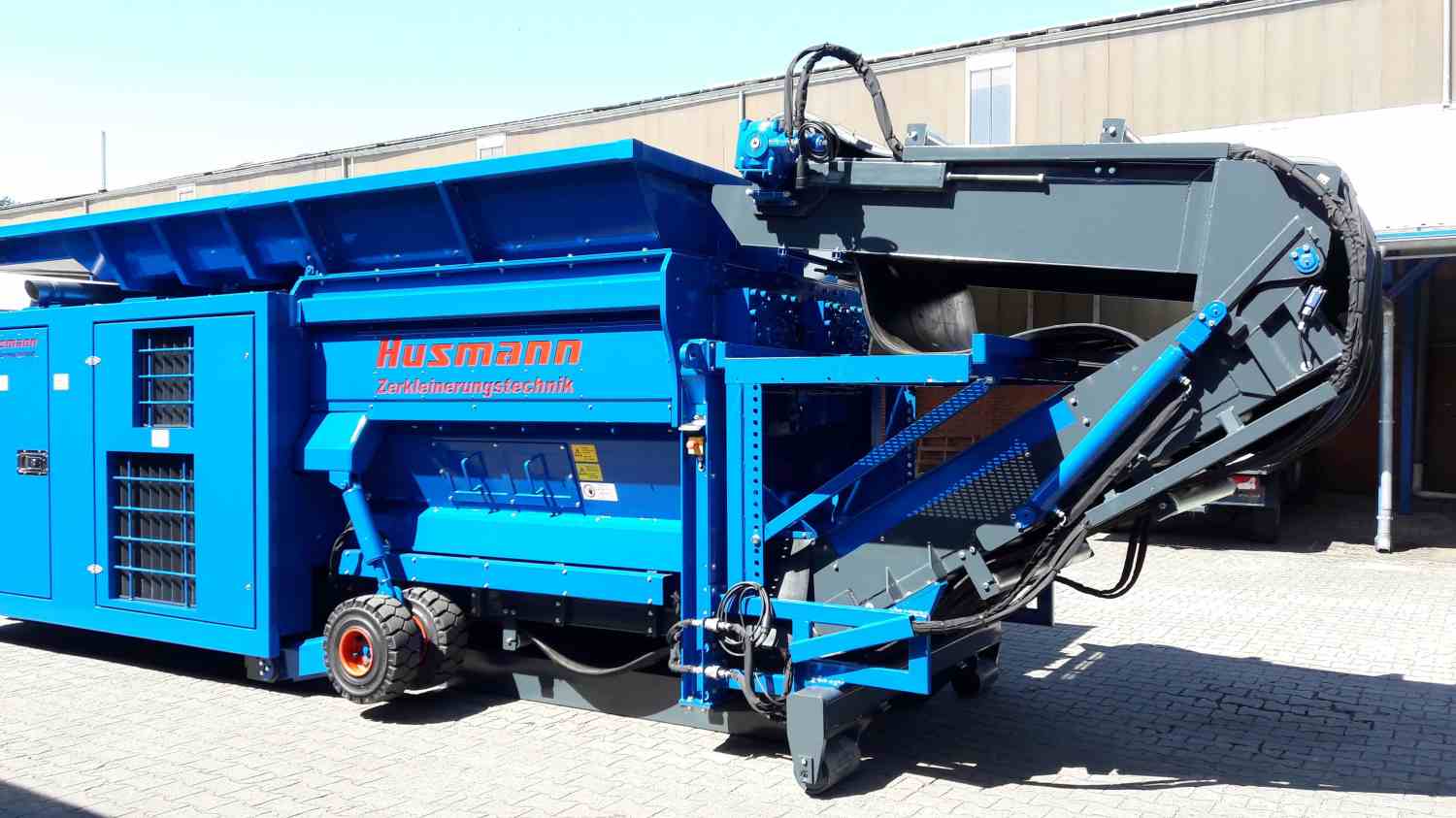
- Discharge conveyor belt : Fixedly mounted with a cross-stable conveyor belt Band width: 1,400 mm , • Ejection height: approx. 3,000 mm Can be folded for transport, belt speed continuously adjustable.
- Painting: -Special paintwork — all RAL tones - (standard RAL 5010).
Need a different size? See our Larger and Smaller models
Check out our Collection Systems


Select another category


FAQ for Two Shaft Shredder HL 1617: Commercial FAQs & Heavy-Duty Engineering Guide
The Two Shaft Shredder HL 1617 is a heavy-duty, high-torque dual-rotor industrial size-reduction machine. Built with an approximate 1,600 mm rotor swing diameter and a 1,700 mm active cutting chamber width, it is specifically configured to deliver extreme shearing force within a slightly more compact footprint than wider-bed models.
By utilizing two parallel counter-rotating shafts equipped with interlocking alloy hook blades, the HL 1617 concentrates high driving power over a 1.7-meter cutting zone. This design excels at crushing, shearing, and ripping thick-walled, dense, and irregular industrial waste materials that require maximum cutting pressure per linear meter of shaft.
- Cutting Chamber Dimensions: Approx. 1,600 mm rotor swing envelope × 1,700 mm active cutting length.
- Drive Configuration: Twin electric motors coupled with high-reduction industrial planetary gearboxes, or continuous-displacement hydraulic drive systems.
- Drive Power Rating: Typically, dual 55 kW to 90 kW drive motors (totalling 110 kW to 180 kW of installed power).
- Rotor Operating Speed: Low-speed, high-torque operation between 15 RPM and 35 RPM.
- Cutting Discs: High-tensile, heat-treated alloy tool steel blades (e.g., 42CrMo, D2, or Hardox) in selectable widths (typically 30 mm, 50 mm, 75 mm, or 100 mm).
- Machine Weight: Approx. 16,000 kg to 22,000 kg heavy structural steel chassis.
- Chamber Width: The HL 1617 features a 1,700 mm cutting bed width compared to the 2,200 mm width of the HL 1622 (500 mm narrower).
- Higher Shear Force Density: Because the installed motor power (up to 180 kW) is concentrated across a shorter 1.7-meter shaft length, each individual cutting hook exerts greater penetrating and shearing pressure against high-density targets.
- Floor Space & Integration: The reduced width makes the HL 1617 easier to integrate into tight factory layouts, existing recycling sort lines, or mobile chassis trailers.
- Throughput Profile: While the HL 1622 accommodates wider, uncompressed materials (like wide automotive panels or full-size mattress beds side-by-side), the HL 1617 is optimized for dense batch feeding of heavy containers, purgings, and metal barrels.
The HL 1617 is built to process severe-duty industrial materials:
- Heavy Drums & Containers: 200-liter steel barrels, chemical drums, and deformed sheet steel scrap.
- Heavy Polymers & Purgings: Dense injection molding purge lumps, thick-walled HDPE pipe sections, rotationally molded water tanks, and automotive battery cases.
- End-of-Life Tires (ELTs): Passenger car, SUV, and commercial light truck tires, as well as reinforced conveyor belting.
- E-Waste & Scrap Metal (WEEE): Household appliances, washing machines, server racks, computer chassis, electric motors, and copper heat exchangers.
- Timber & Bulky Waste: Hardwood pallets, railway dunnage, building framing offcuts, and bulky municipal solid waste.
Because twin shaft shredders operate without an internal sizing screen to maintain continuous high throughput without clogging:
- Strip Width: Precisely determined by the width of the installed cutting discs (e.g., 50 mm wide knives produce roughly 50 mm wide shredded strips).
- Particle Length: Determined by the number of hooks on each disc face and the rotational differential between the two shafts.
- Downstream Integration: The ripped and sheared fractions drop cleanly through the open base onto an outfeed conveyor, ready for magnetic overband metal sorting or secondary granulation.
Bulky hollow waste (such as empty chemical drums, IBC tanks, and pallets) inflates transport fees by wasting truck bed space:
- Volume Densification: Compresses loose, hollow refuse at volume reduction ratios between 4:1 and 8:1, eliminating interior air pockets.
- Payload Optimization: Maximizes road-transport weight, allowing haulage trucks to reach maximum legal axle limits and cutting collection runs by up to 70%.
- Downstream Equipment Protection: Pre-shredding dense materials through the HL 1617 protects downstream high-speed granulators, hammer mills, and magnetic separators from catastrophic shock jams.
To prevent catastrophic shaft or gearbox failure when handling heavy tramp metals:
- Integrated current and pressure transducers monitor motor electrical current (amperage) or hydraulic pressure in real time.
- If an uncrushable object causes torque to spike beyond safe operating parameters, the PLC halts shaft rotation in milliseconds.
- The shafts immediately reverse for 2 to 4 rotations to reposition or dislodge the obstruction.
- The system then re-engages forward cutting. If the jam is not cleared within three automated reverse attempts, the machine safely shuts down and trips visual and audible operator alarms.
The shredder complies with Australian workplace safety guidelines (AS/NZS 4024 Machine Safety Standards):
- Dual-Channel Interlocked Access Hatches: Hydraulic maintenance doors, hopper covers, and bearing inspection panels feature safety limit switches that disable power immediately if opened.
- Internal Deflector Curtains: Multi-layered heavy-duty rubber and steel chain curtains inside the feed hopper contain flying debris or fragments during violent drum crushing.
- Emergency Stop Stations: Dual-circuit mushroom E-stop buttons located on the operator console, feeder platform, and outfeed conveyor discharge points.
- Trapped-Key (Castell) Interlocks: Ensures maintenance staff physically isolate and lock out primary electrical power before entering the hopper or cutter box.
- Cleaning Comb Alignment: Routine checks of the internal scraper fingers mounted between the cutting discs. Proper alignment prevents wire, metal bands, and plastic film from wrapping around the shafts.
- Cutting Hook Maintenance: Inspecting the hook edges for rounding. The HL 1617 utilizes independently mounted cutting discs that can be re-profiled with hard-facing weld overlay or replaced individually without stripping the entire shaft.
- Gearbox Fluid Monitoring: Monitoring synthetic gear oil levels and temperatures in the heavy-duty planetary gearboxes, changing lubricants at scheduled 1,000-to-2,000-hour service intervals.
- Labyrinth Seal Greasing: Purging external bearing housings with high-temperature extreme-pressure grease regularly to flush out dust, moisture, and abrasive grit. Smart Waste Australia provides nationwide preventative maintenance agreements, replacement cutting tooling, and emergency on-site field repairs.