
Transfer Stations






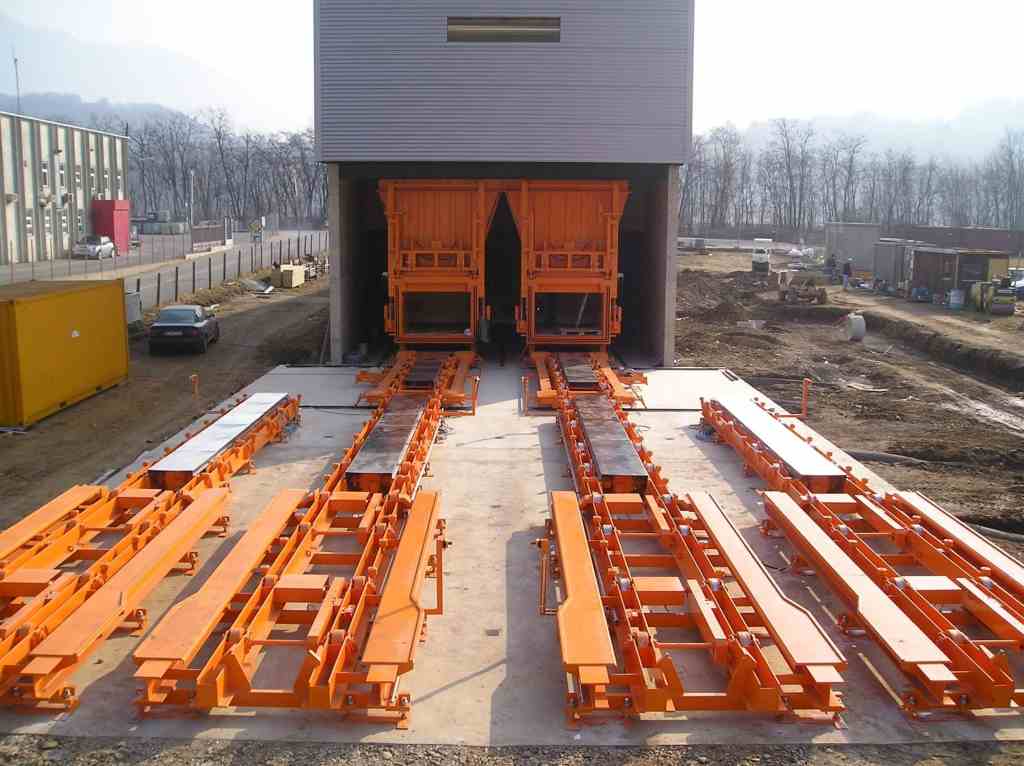
Recommended For businesses

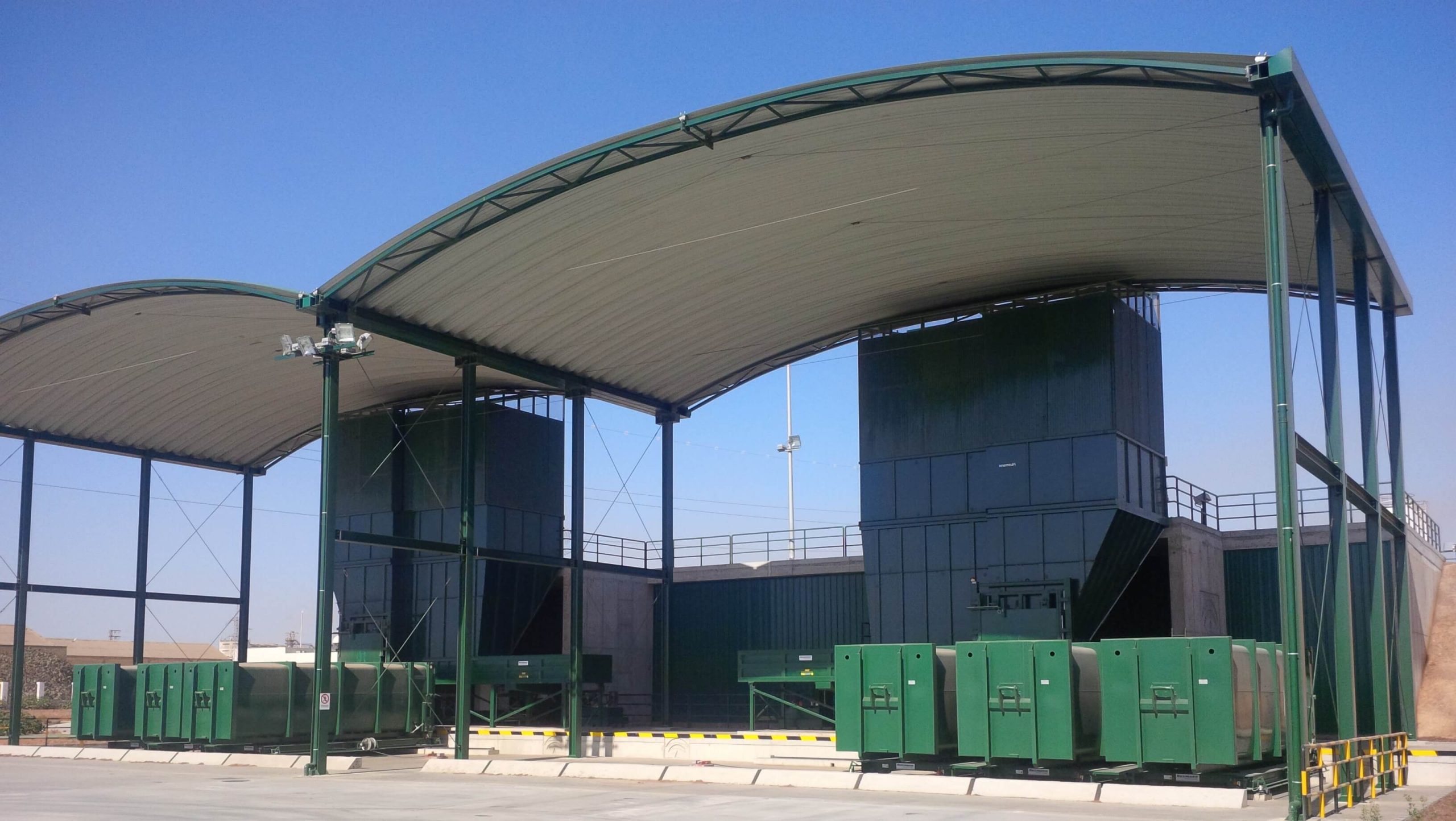
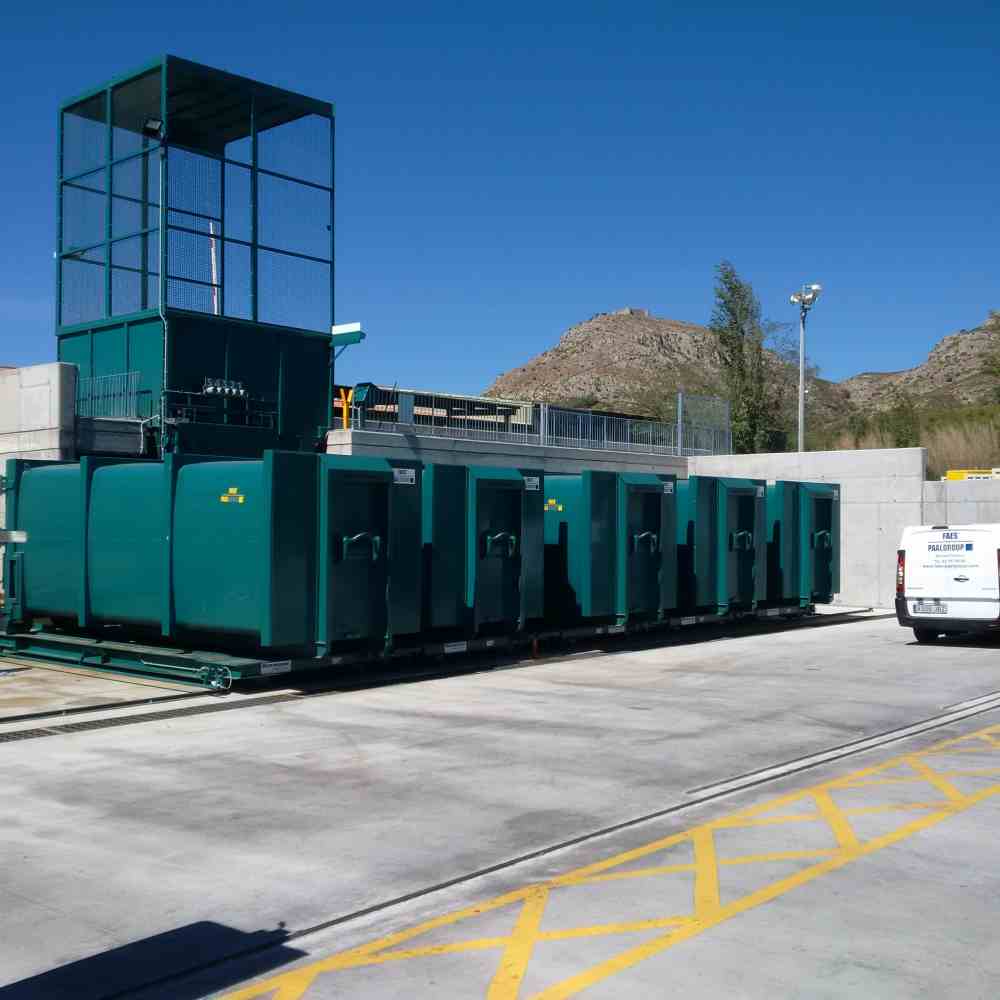
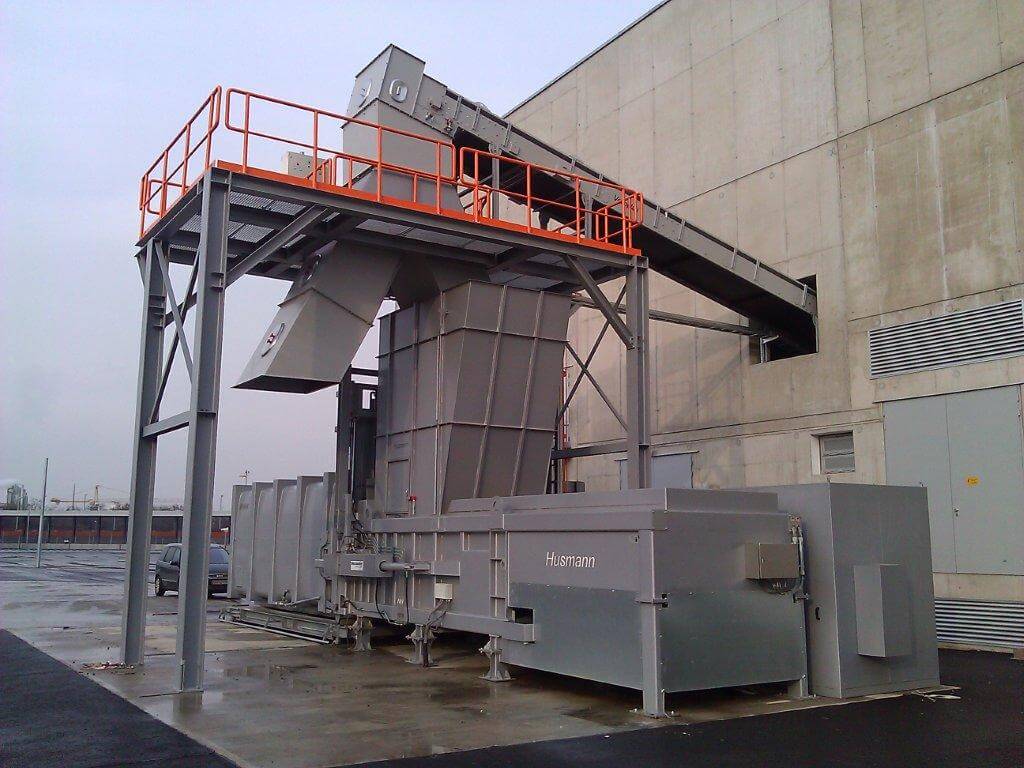
Waste Transfer Station
Councils
Benefits of the Transfer Stations
Specifications
- Individual planning, construction and production by our experts.
- Many years of experience in special plant construction.
- Quality German engineered Components.
- Fully automatic hydraulic coupling incl. reversing.
- Fully automatic hydraulic door closing device for absolut clean closing.
- Large immersion depth of the plunger into the container (up to 2500mm).
- Flange sealed , Double pump unit , differential circuit.
- Double filtration (optional),
- Fine filtration of hydraulic oil with 10μ absolute filter, as return filter.
- Circulating filtration via a separate unit also in standby mode, thus excellent cleanliness of the hydraulic oil.
- Components from well-known manufacturers , own program creation.
- Huge hoppers with bunker tilting.
- Top ram.
- Pre-crush plate.
- Weight determination by digital weight.
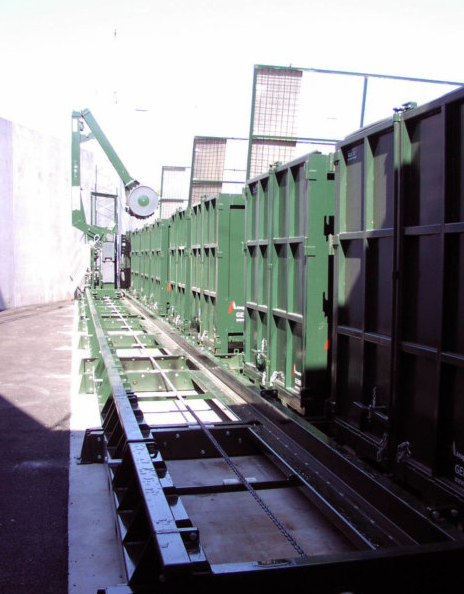
- Shifting trolleys.
- Different sizes from 3cbm up to 15cbm per stroke.
- Compression takes place directly in the container.
Specifications
- Huge hoppers with bunker tilting.
- Top ram.
- Pre-crush plate.
- Weight determination by digital weight.
- Shifting trolleys.
- Different sizes from 3cbm up to 15cbm per stroke.
- Compression takes place directly in the container.
Let us advise you! We are happy to offer a solution for your individual requirements!
Need a different baler size? See our Larger and Smaller models

Check out our Collection Systems


Select another category


FAQ for Waste Transfer Station Compactors: Commercial FAQs & Engineering Solutions
A waste transfer station compactor is an ultra-heavy-duty industrial compaction system engineered to consolidate high volumes of municipal solid waste (MSW) or commercial refuse from local collection trucks into bulk long-haul road transport trailers. Acting as the core mechanical hub of a municipal or regional transfer facility, the system compresses loose waste deposited by rear-loaders, side-loaders, and tipping trucks into massive, high-density payloads, ensuring haulage trailers achieve maximum legal highway tonnage before traveling to distant landfills or waste-to-energy plants.
Transfer station systems operate through synchronized mechanical and civil engineering stages:
- Tipping Floor / Surge Pit Discharge: Collection vehicles dump loose waste onto a reinforced concrete tipping floor, into a deep surge pit, or directly into a hydraulic push-pit.
- Hopper Loading & Pre-Crushing: An overhead wheel loader, crane, or automated live-floor conveyor feeds the waste into an oversized steel intake hopper where heavy materials are crushed.
- High-Thrust Compaction Stroke: Large industrial hydraulic rams (generating 400 kN to over 800 kN of force) pack the material horizontally through an enclosed discharge snout into an awaiting high-capacity ejector trailer or RoRo container.
- Automated Decoupling & Door Closure: Once target legal axle weight is reached, automated hydraulic guillotine gates close, the container door latches, and the transport vehicle departs.
Operational Feature | Direct-Charge Transfer Compactor | Pre-Load (Two-Stroke) Compactor |
|---|---|---|
Operating Method | Presses waste directly into the coupled trailer/container | Compresses waste against a vertical gate into a dense “log” before loading |
Payload Weight Precision | Monitored via integral load cells during filling | Weighed precisely as a pre-formed log prior to insertion |
Vehicle Idle Time | Transport trailer must remain attached throughout cycle | Trailer docks only for the final 2-minute ejection stroke |
Facility Throughput | Best for low to medium municipal transfer stations | Essential for high-tonnage regional hubs (>500 tonnes/day) |
Civil Complexity | Lower initial civil investment and structural framing | Requires extended foundation tunnels and heavy structural gates |
These systems are built to withstand continuous, severe-duty municipal cycles:
Specification Parameter | Standard Industrial Rating | Operational Impact |
|---|---|---|
Compaction Force | 450 kN to 850 kN (~45 to 85 tonnes) | Crushes bulky furniture, appliances, packaging, and pallets |
Intake Aperture Size | 2.5 m to 5.0 m in length | Handles direct dumping without clogging or material bridging |
Hydraulic Power Units | Dual 22 kW, 37 kW, or 55 kW power packs | Provides continuous, multi-shift duty with built-in system redundancy |
Throughput Capacity | 30 to 120 tonnes per hour | Keeps municipal collection fleets unloading with minimal turnaround time |
Floor & Sidewall Liners | High-abrasion alloy steel (Hardox 450/500) | Prevents premature wear from concrete, glass, metal scrap, and grit |
Cycle Duration | 25 to 45 seconds | Rapid cycle turnover preventing tipping-floor congestion |
Direct-haul garbage trucks (e.g., suburban 7-tonne rear-loaders) are inefficient and costly for long-distance transport. Transfer compactors optimize municipal budgets by:
- Payload Consolidation: Consolidates 4 to 6 local collection truckloads into a single 20- to 30-tonne semi-trailer payload.
- Drastic Traffic Reductions: Cuts highway truck movements by 70% to 80%, drastically reducing diesel fuel consumption, fleet tire wear, highway wear, and driver overtime.
- Axle-Weight Maximization: Advanced transfer compactors incorporate real-time electronic weigh-scale cells to pack trailers to within 98% of maximum legal highway limits without risk of costly road overloading fines.
Transfer stations handle varied municipal, commercial, and industrial materials:
- Municipal Solid Waste (MSW): Household general refuse, food packaging, and organic-rich domestic discards.
- Bulky Municipal Waste: Mattresses, broken timber furniture, large cartons, and whitegoods.
- Commercial and Industrial (C&I) Refuse: Mixed distribution center waste, plastics, timber skids, and dunnage.
- Construction & Light Demolition: Plasterboard, offcuts, packaging materials, and light framing scrap.
To ensure swift turnarounds and prevent structural strain on haulage trucks:
- Hydraulic Dog-Leg Clamps: Heavy steel jaws clamp the rear frame of the trailer or container rigidly against the compactor discharge chute.
- Automated Guillotine Separation Gates: A vertical, high-tonnage hydraulic shear blade slices cleanly through excess waste at the container mouth, enabling the container door to shut without obstruction.
- Hydraulic Container Traversers / Shifters: Mechanized rail trolleys that shuttle full containers sideways onto dispatch bays while sliding empty containers into the loading line automatically.
Transfer stations comply with Australian Machine Safety Standards (AS/NZS 4024) to govern high-hazard operations:
- Tipping Floor Interlocks: Radar and ultrasonic vehicle sensors confirm collection vehicles have vacated the tipping hopper threshold before ram movement begins.
- Emergency Stop Cable Pulleys: Continuous grab-wire emergency stops cables along the full length of hoppers and walkways for immediate shutdown.
- Key-Interlocked Trapped Key Systems (Castell Keys): Prevents maintenance crew entry into the compaction chamber until the main power isolator is physically locked out.
- Integrated Fire Suppression: Automated flame sensors and misting nozzles installed over the charging hopper to extinguish ignited waste immediately.
Environmental mitigation is critical for environmental compliance and community air quality:
- Misting & Odor-Neutralizing Systems: High-pressure perimeter nozzles spray atomized water and biological odor neutralizers over the feed hopper during tipping to suppress airborne dust.
- Leachate Retention Channels: Heavy-duty floor sumps capture liquids squeezed out during compaction, diverting runoff to specialized trade-waste retention tanks or local sewer interceptors.
- Negative Pressure Ventilation: Enclosed transfer station buildings feature industrial air filtration and carbon scrubbing to prevent odor escape.
Due to extreme daily tonnage and abrasive friction:
- Chamber Liner Inspection: Regular ultrasonic thickness testing of Hardox floor and side wear plates, with modular liner plate replacement when needed.
- Hydraulic Proportional Valve Checks: Monitoring oil filtration units, continuous oil cooling systems, and relief valve set points.
- Shear Blade Sharpening: Inspecting and rotating the hardened cutting edges of the guillotine gate and ram face to ensure clean cutting without jamming. Smart Waste Australia delivers complete nationwide engineering support, turnkey plant designs, scheduled preventative servicing, and 24/7 emergency repair coverage.