
Two Shaft Shredders
Shredders HL | 1617
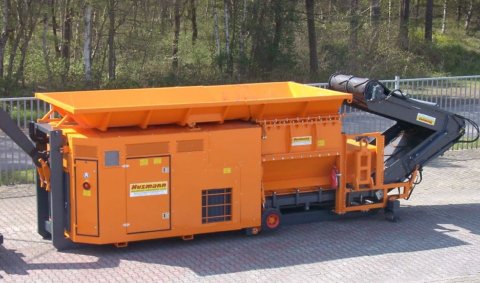

Shredders HL | 1622
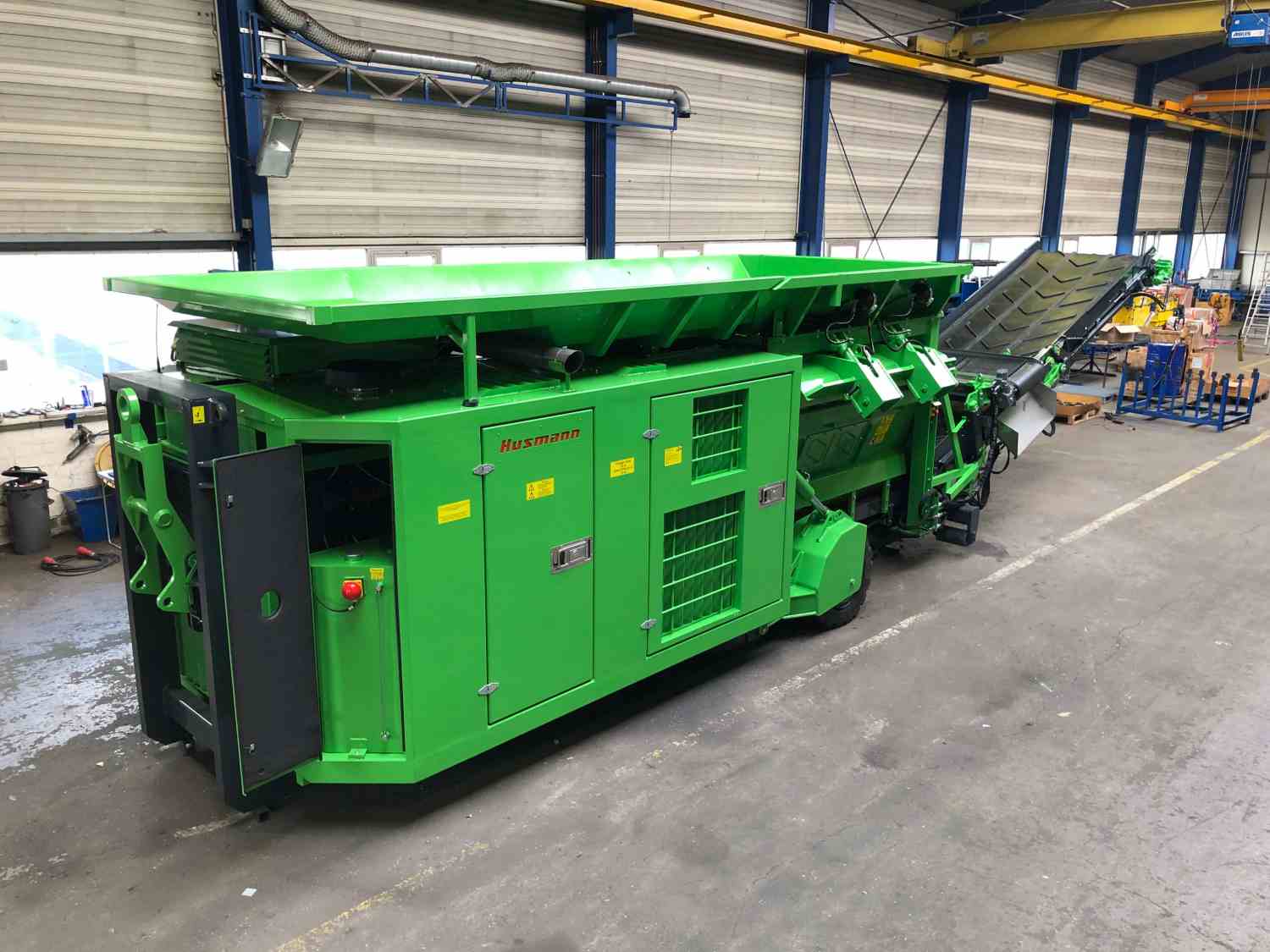

Shredders HL | 1722
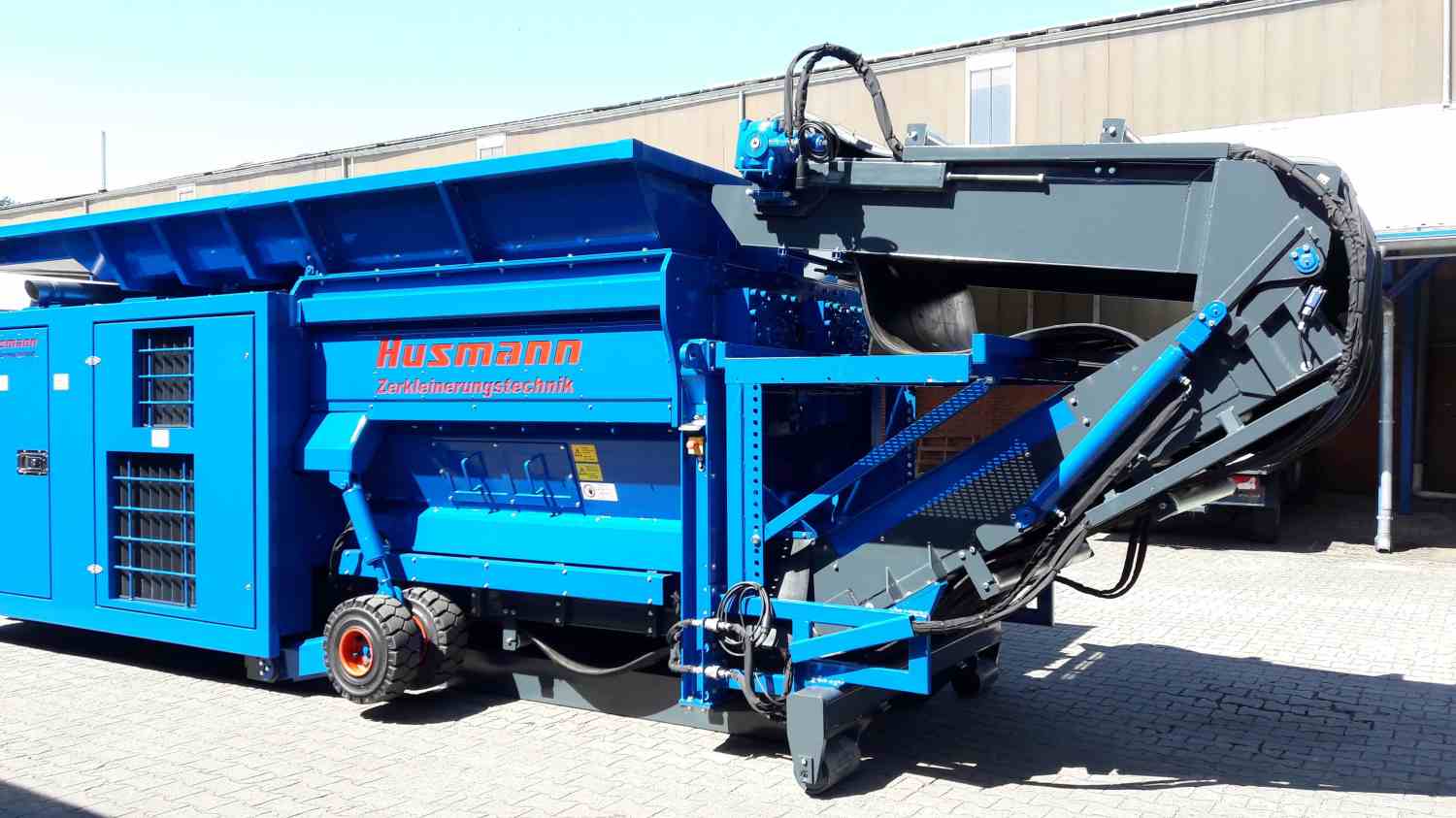

Shredders HL UNI 7-5
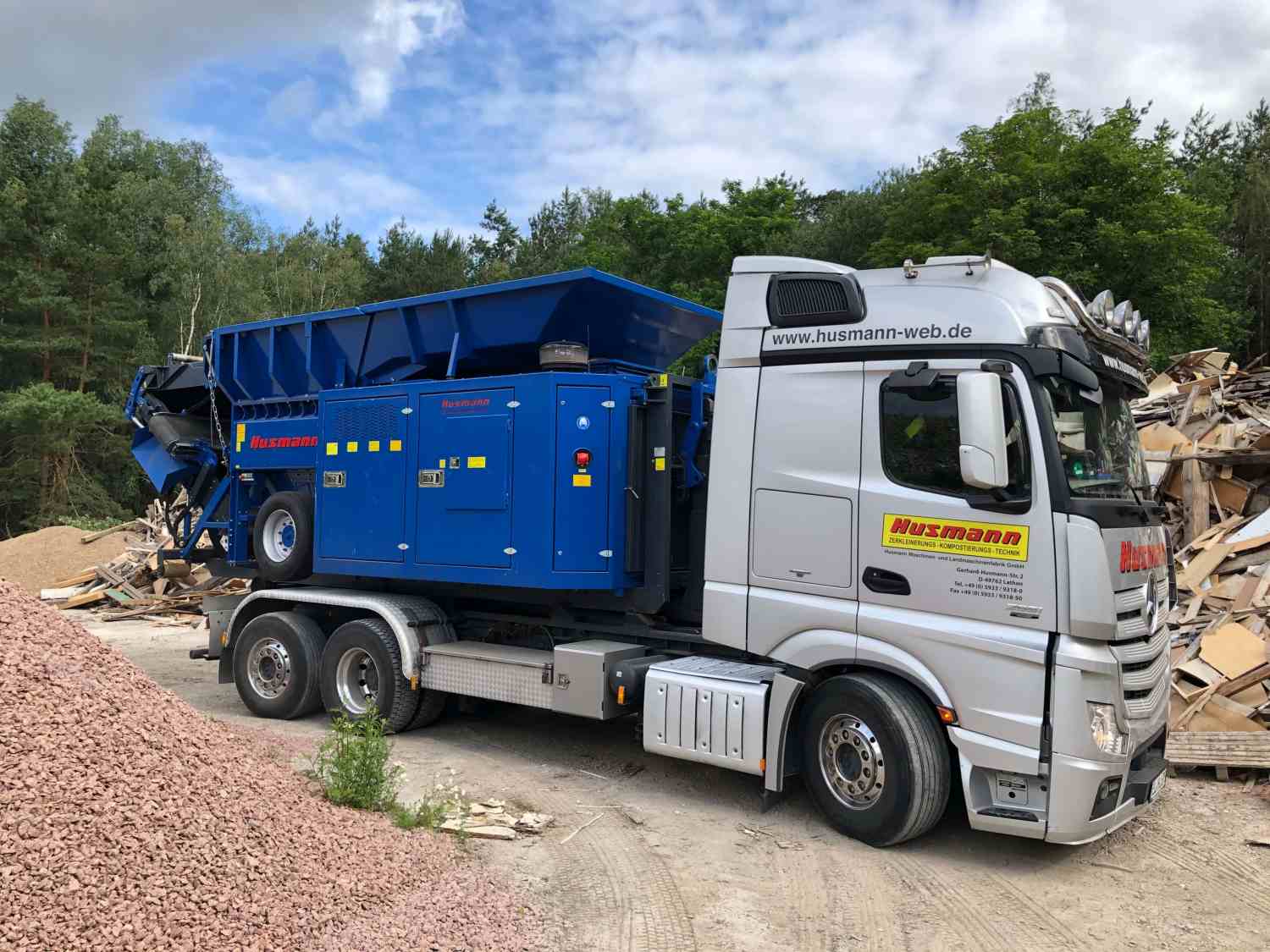


Select another category


FAQ for Industrial Two Shaft Shredders
An industrial two shaft shredder (also referred to as a dual shaft or twin shaft shredder) is a high-torque, low-speed size-reduction machine designed for heavy-duty shearing, tearing, and volume reduction of tough, bulky, and irregular materials.
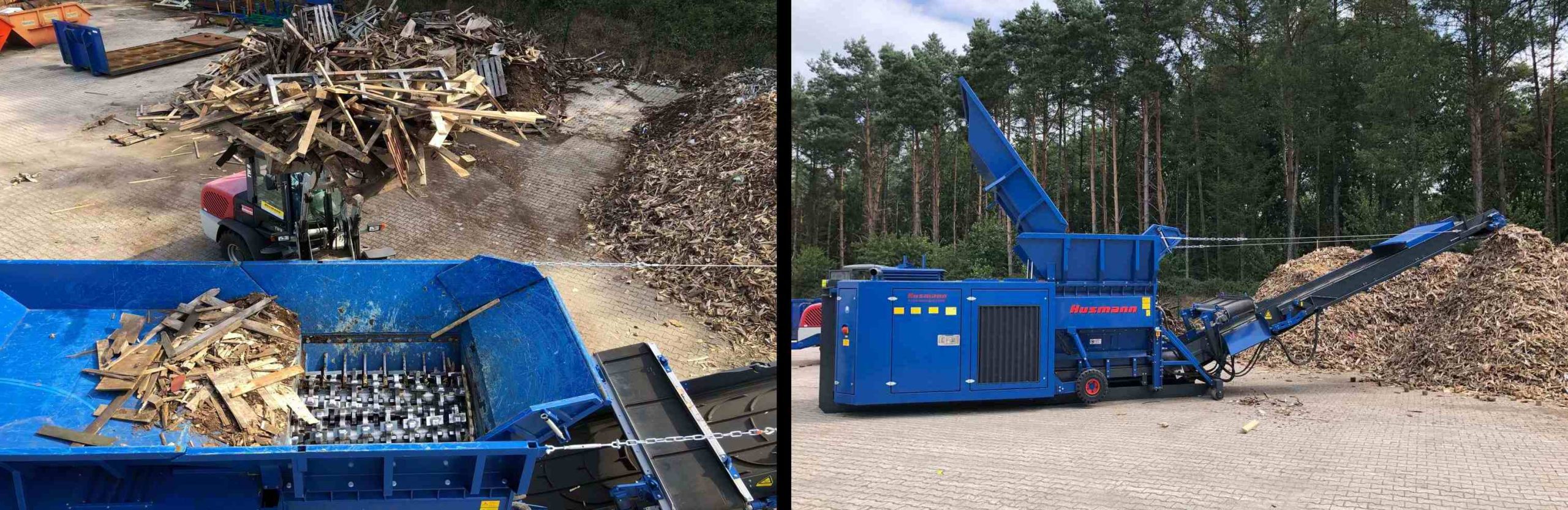
Unlike single shaft machines that use a pusher ram and high-speed cutting against an anvil, a two-shaft shredder features two parallel hexagonal counter-rotating shafts fitted with interlocking hook-profile cutting discs. As the shafts rotate inward toward each other, the hooked knives grab, tear, and draw waste directly downward into the cutting zone through continuous mechanical shear.
The shredding sequence operates through low-speed, high-torque gravitational cutting:
- Gravity In-Feed: Material is dumped directly into an open, heavy-duty hopper above the cutting chamber via conveyor, wheel loader, crane grapple, or forklift tipper.
- Self-Feeding Hook Action: The interlocking, hook-shaped rotor blades on the twin shafts catch bulky items without requiring an internal hydraulic pusher ram. The counter-rotating action pulls the waste downward between the blades.
- Shear and Rip Mechanics: Material is sheared laterally between the interlocking faces of opposing cutting discs and ripped along the outer diameter by the blade hooks.
- Scraper Cleaning: Heavy-duty comb-style scrapers positioned between each cutting disc continuously clear the spaces between the knives, preventing flexible materials (like plastic film, wire, and textiles) from wrapping around the shafts.
- Open Free-Fall Discharge: Shredded strips and fragments drop directly out of the bottom of the cutting chamber onto an outfeed conveyor or discharge bin.
- Classification Screen: Single shaft shredders utilize an internal curved bottom screen to enforce a calibrated, uniform output particle size (e.g., 20 mm to 50 mm). Two shaft shredders do not use screens; output particle size is determined primarily by the width and hook count of the cutting discs, yielding strips and torn shreds.
- Hydraulic Pusher: Single shaft shredders require an internal hydraulic pusher ram to force material against the rotor. Two shaft shredders are entirely self-feeding—the interlocking counter-rotating hooks grab and pull material through automatically.
- Operating Speed & Torque: Single shaft shredders operate at moderate speeds (60–120 RPM), whereas two shaft shredders run at lower speeds (typically 15–40 RPM) with significantly higher torque, making them far more resilient against tramp metal and heavy shocks.
- Primary Application: Single shaft units excel at precise secondary sizing of plastics, paper, and timber. Two shaft shredders excel as primary coarse shredders for high-volume bulky waste, metal drums, automotive tires, electronic waste, and mixed municipal refuse.
Due to their extreme shearing torque, two shaft shredders handle the most demanding and diverse commercial waste streams:
- Metals & Drums: Steel drums, 200-liter oil barrels, aluminum profiles, sheet metal scrap, and light automotive body panels.
- Tires & Rubber: Passenger car tires, truck tire treads, agricultural rubber tracks, and conveyor belt scrap.
- Bulky & Rigid Plastics: Intermediate Bulk Containers (IBC totes), plastic barrels, large purge lumps, crates, and thick-walled extrusion pipes.
- E-Waste (WEEE): Refrigerators, washing machines, computer towers, server racks, printers, and mixed small electronic scrap.
- Municipal & Hazardous Waste: Baled or loose domestic solid waste, mattresses, timber pallets, expired packaged foodstuffs, and quarantined biosecurity waste.
Commercial twin shaft shredders are engineered with robust mechanical components to survive severe shock loads:
- Rotor Shaft Speeds: Low-speed operation between 15 RPM and 40 RPM, providing maximum shearing force with minimal dust and noise.
- Drive Systems: Dual high-torque electric motors coupled with planetary gearboxes, or high-displacement hydraulic drive systems.
- Cutting Blade Metallurgy: Heat-treated, wear-resistant alloy tool steels (such as 42CrMo, D2, or Hardox) hardened to 55–58 HRC.
- Blade Thicknesses: Available in multiple disc widths (typically 20 mm, 30 mm, 50 mm, 75 mm, or 100 mm) depending on the desired strip width.
- Chamber Widths: Heavy-duty cutting chambers ranging from 600 mm up to 2,000 mm+ in length.
Unshredded industrial waste is bulky and hollow (e.g., empty drums, crates, mattresses, and tires):
- Volume Reduction: Achieves volume reduction ratios between 4:1 and 8:1, eliminating the empty airspace inside hollow containers and springy goods.
- Transport Optimization: Compacting and densifying bulky waste allows transport haulers to achieve maximum legal road payloads on every trip, reducing haulage frequency by up to 70%.
- Downstream Protection: Acts as an indispensable primary shredder in sorting and recycling plants, breaking down oversized materials so that secondary granulators, eddy current separators, and optical sorters operate without jamming.
Two shaft shredders are exposed to heavy tramp metals and uncrushable obstructions:
- The system’s central PLC monitors electrical motor current (amperage) or hydraulic line pressure in real time.
- If an uncrushable item causes an instantaneous torque overload, the drive system stops the shafts in milliseconds.
- The shafts then reverse direction for several revolutions to dislodge the material before automatically returning to forward rotation.
- If the obstruction cannot be cleared after a pre-set number of reverse cycles (typically 3 attempts), the machine automatically shuts down and trips an operator alarm to prevent gearbox or shaft fracture.
The machinery complies with Australian Workplace Health and Safety standards (AS/NZS 4024 Machine Safety):
- Interlocked Maintenance Access: Inspection hatches, hood-opening hydraulics, and side panels feature dual-channel safety limit switches that immediately prevent rotor motion when opened.
- In-Feed Hopper Deflectors: Heavy rubber or steel internal baffling curtains prevent projectile kickback from the cutting chamber during aggressive shearing.
- Dual-Channel E-Stop Circuits: Emergency stop mushroom buttons located at the main control console, feeder platforms, and near outfeed conveyors.
- Key-Lock Isolation Systems: Physical trapped-key lockouts ensure safe maintenance inside the hopper area during blade inspection.
Consistent preventative maintenance ensures high machine availability and long component life:
- Blade Edge Inspection: Regularly checking knife hooks for rounding, chipping, or foreign body damage. Worn cutting hooks can often be built up with hard-facing weld overlay or replaced individually on modular shafts.
- Cleaning Comb Alignment: Verifying that internal cleaning fingers (scrapers) remain correctly positioned between cutting discs to prevent material wrapping and lateral bearing strain.
- Planetary Gearbox Servicing: Regularly monitoring gearbox oil levels and temperature, replacing synthetic gear lubricants at scheduled 1,000-to-2,000-hour intervals.
- Drive Shaft Greasing: Applying high-pressure grease to external bearing blocks and labyrinth seals to prevent dust and moisture ingress. Smart Waste Australia delivers nationwide scheduled servicing, genuine replacement cutting discs, and emergency repair field support.