
Wood and Green Waste Solutions
Roller Packers


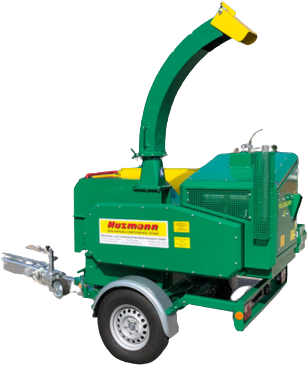
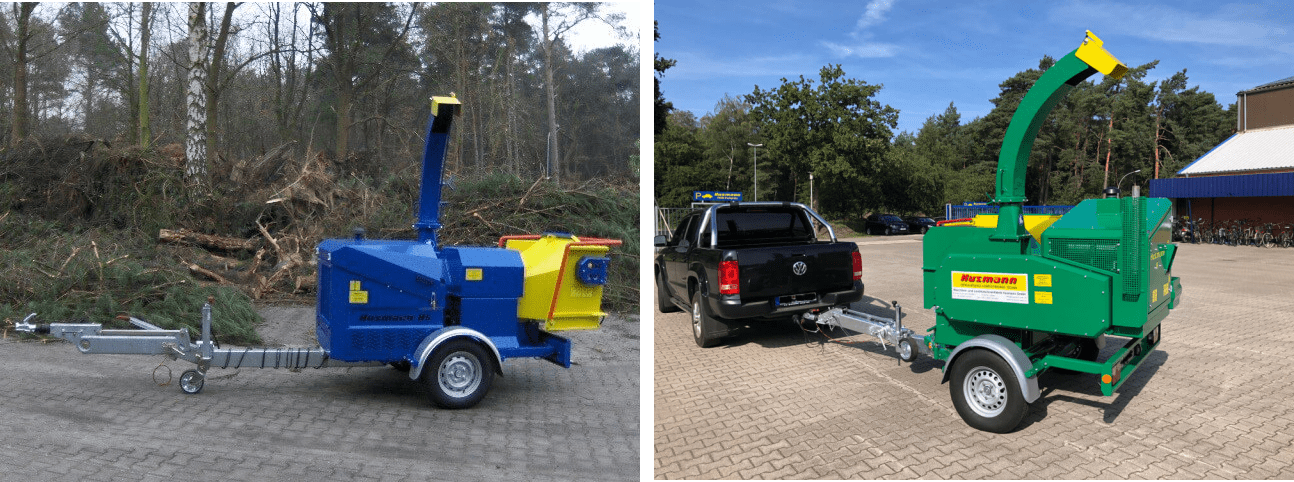
Wood Chippers

Large Shredders


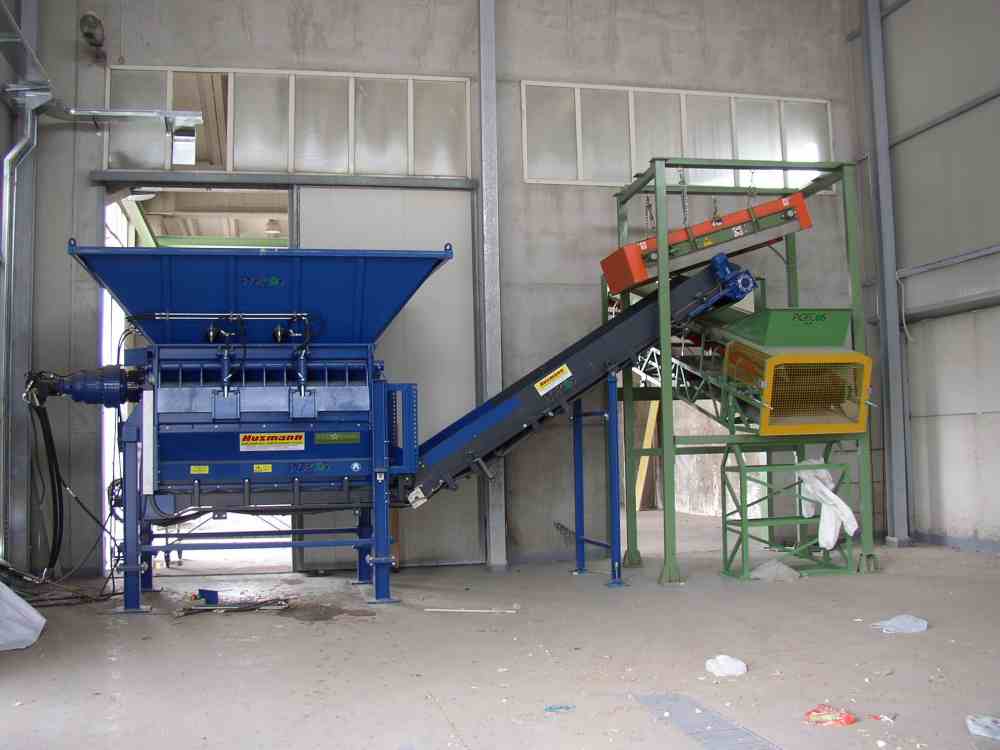
Single Shaft Shredders
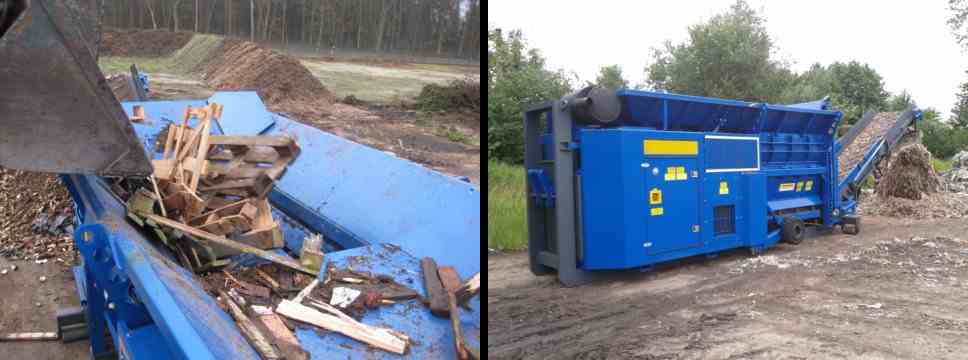
Two Shaft Shredders


Select another category


FAQ for Commercial Wood and Green Waste Solutions: Industrial FAQs & Processing Guide
Commercial wood and green waste solutions encompass end-to-end plant machinery, collection equipment, and mechanical reduction systems designed to divert organic and timber waste from landfill into valuable secondary resources.
Covering the full processing spectrum—from roadside tree trimming and council garden waste collection to industrial timber recycling and high-volume land clearing—these turnkey solutions integrate disc/drum wood chippers, high-speed hammer mill shredders, secondary granulators, trommel screeners, and organic transfer compactors. The objective is to maximize volumetric compaction, lower transport freight overheads, and convert raw fibrous residues into certified commercial mulches, compost soil conditioners, and renewable biomass boiler fuels.
A turnkey commercial organics recovery facility typically integrates complementary processing stages:
- Primary High-Speed Shredders & Hammer Mills (HFG Series): Fast-rotating flail-hammer machines engineered to fracture, rip, and defiber bulky whole tree trunks, stump root balls, and loose green foliage.
- Heavy-Duty Wood Chippers (H-Series): Disc and drum cutting units designed to produce uniform, clean-sliced wood chips from tree limbs, brush, and clean forestry offcuts.
- Secondary Fine Sizers & Mills (HFZ Series): Precision screen-classified grinders that refine pre-shredded timber into calibrated, consistent micro-particles for wood pellets, briquettes, and particleboard manufacture.
- Rotary Trommel & Star Screens: Mechanical sizing decks that classify processed organic streams into distinct fraction categories (e.g., oversized bulking mulch, mid-fraction compost feedstock, and fine topsoil blends).
- Organic Waste Compactors & Ejector Trailers: Specialized, liquid-retaining compactor bins that maximize legal highway payload density when hauling processed green waste from urban collection depots to regional composting facilities.
- Clean Knife Chipping: Uses precision-ground alloy knives rotating across a bed anvil to cut wood cleanly across the grain. This yields smooth, flat, low-surface-area chips ideal for landscaping mulch, play-pit surfacing, and pulp manufacture.
- Impact Defibration: Uses high-speed, free-swinging alloy flail hammers to split wood along its natural longitudinal growth fibers. This fractures and shreds the timber, creating a fibrous, porous, high-surface-area material that absorbs moisture and microbes rapidly, making it the superior method for composting and bio-energy combustion.
Converting untreated timber and municipal prunings creates multiple revenue-generating products:
- AS 4454-Certified Compost & Soil Conditioners: Defibered green organic waste aerated in turned windrows produces nitrogen- and carbon-rich organic compost for agricultural, horticultural, and viticultural applications.
- Industrial Biomass Boiler Fuel: Calibrated wood fractions and micro-chips derived from clean timber pallets and forestry thinning provide renewable thermal fuel for fluidized-bed biomass plants, district heating, and drying kilns.
- Erosion Control & Bushfire-Safe Mulch: Interlocking fibrous mulch layers that bind to civil highway embankments, roadside batters, and mine-site revegetation plots to retain moisture and prevent slope erosion.
- Engineered Wood Substrates: Fine, de-ironed wood fibers utilized in the manufacturing of MDF (Medium-Density Fiberboard), particleboard, and Wood-Plastic Composite (WPC) decking.
Raw vegetation and timber scrap are notoriously low-density and bulky:
- Drastic Volume Reduction: Commercial shredding and compaction achieve volume reduction ratios between 6:1 and 12:1, eliminating the empty airspace inside loose branch canopies and hollow root systems.
- Landfill Levy Avoidance: Processing green organics diverts massive tonnages from general landfill cells, avoiding state landfill disposal levies and tipping fees.
- Transport Payload Optimization: Densifying fibrous materials allows transport walking-floor trailers and compactor containers to hit maximum legal road axle capacities, cutting truck movements, fuel burn, and driver hours by up to 70%.
When organic garden waste and untreated wood are buried in anaerobic landfill cells, their decomposition generates methane (CH4)—a greenhouse gas with a global warming potential over 28 times higher than carbon dioxide (CO2).
Diverting green organics into aerobic industrial composting windrows or bio-energy facilities captures nutrients, fosters soil carbon sequestration, and generates renewable energy, directly reducing Scope 1 and Scope 3 greenhouse emissions for municipal councils and private waste contractors.
Industrial organic processing equipment complies with Australian Machine Safety Standards (AS/NZS 4024):
- Multi-Tier Ballistic Chain Curtains: Heavy hanging alloy chain links combined with dense rubber curtains inside infeed hoppers absorb and suppress projectile fragments ejected during high-speed wood fracturing.
- Proportional Wireless Radio Remote Controls: Operators command infeed conveyor feed speeds, direction reversing, tracking, and emergency stops directly from the protective cabins of excavators or wheel loaders.
- Dual-Channel Interlocked Access Hoods: Hydraulically actuated service covers feature monitored safety limit switches that disable the engine ignition and lock out hydraulic pressure before access to the cutting chamber is granted.
- Integrated Spark Detection & Deluge Systems: Sensitive infrared spark sensors inside high-speed fine shredders and conveyor transfer chutes trigger automated high-pressure water mist nozzles within milliseconds to suppress friction sparks and combustible dust.
Incoming municipal green waste and civil land-clearing timber frequently contain heavy tramp contaminants such as steel fencing droppers, tow chains, concrete footings, and rocks:
- Free-Swinging Flail Action: In high-speed hammer mills (HFG series), flails pivot backward on alloy steel pins when striking unyielding steel, absorbing kinetic impact without transferring destructive shear forces to the main rotor shaft.
- Automated Anti-Jam Reversing: Load-sensing electronic PLCs monitor rotor speed and motor current. If an obstruction causes a load spike, infeed systems pause or reverse instantly to dislodge the material.
- Magnetic Overband Separation: Cross-belt or inline rare-earth overhead magnets mounted above outfeed conveyors automatically extract tramp nails, wire, and structural iron scrap, protecting secondary granulators and screening systems.
- Cutting Tool & Hammer Maintenance: Regularly inspect, rotate, or replace wear-resistant cutting knives and reversible tungsten-carbide hammer tips to maintain sharp cutting edges and dynamic rotor balance.
- Counter-Knife & Anvil Gap Calibration: Maintain precise tolerances between the rotor tooling and stationary breaker combs/anvils to ensure uniform defibration and avoid excessive electrical/fuel consumption.
- Air Filtration & Cooling Core Cleaning: Green waste processing produces high levels of airborne fibrous fluff; daily cleaning of reversible engine radiator fans and high-efficiency pre-cleaner air intake filters is vital to prevent overheating.
- Centralized Automated Greasing: Maintain automated multi-point greasing systems to supply high-pressure, extreme-pressure grease to high-load spherical roller bearings and conveyor pivot pins daily. Smart Waste Australia provides nationwide plant design, turnkey equipment commissioning, genuine OEM wear parts, and scheduled preventative service agreements.