
Wood and Green Waste Solutions
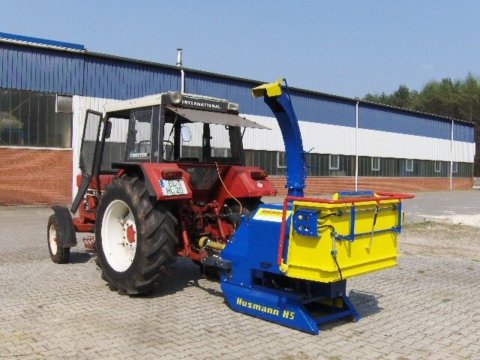
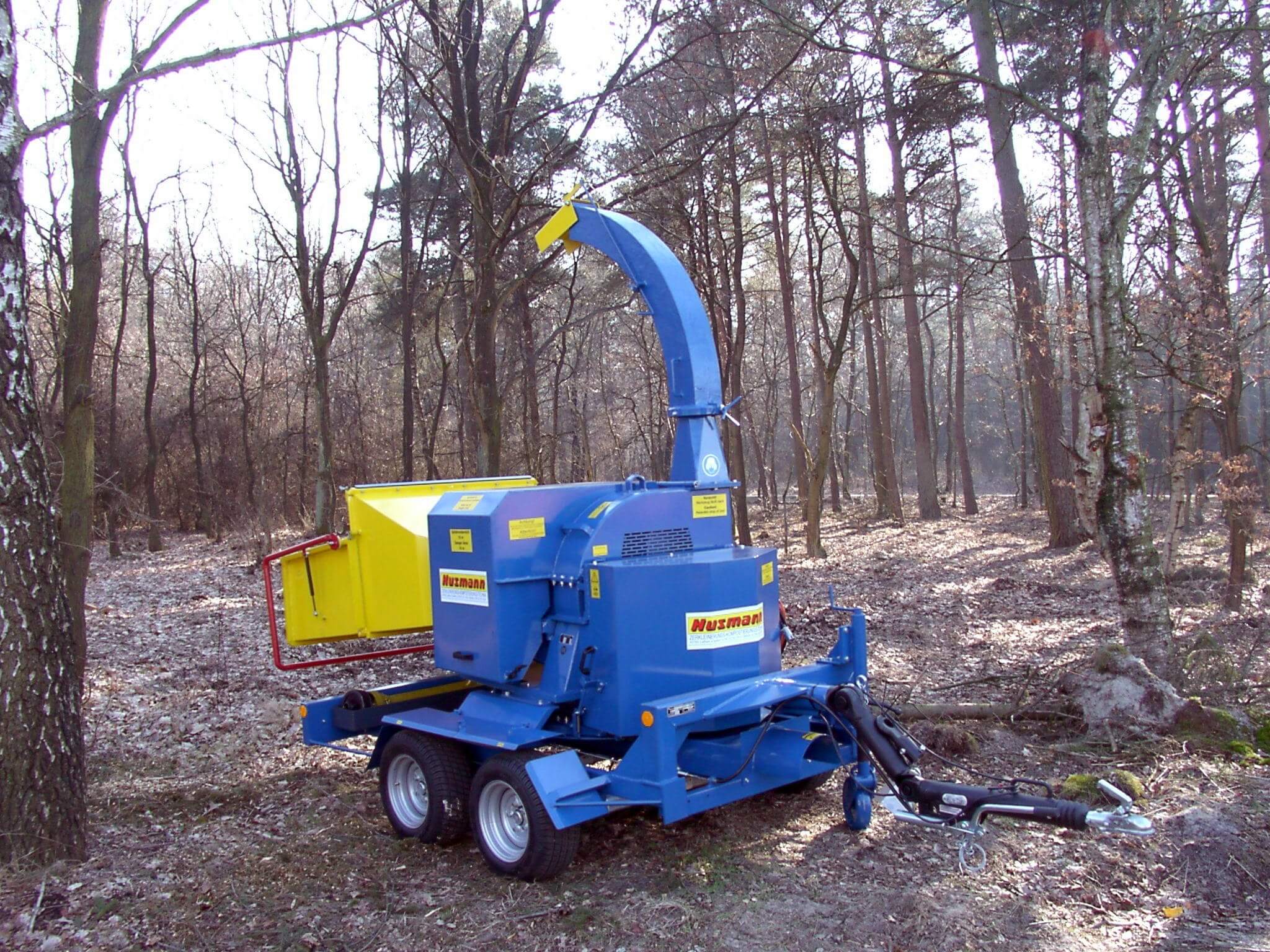
Wood Chippers H5
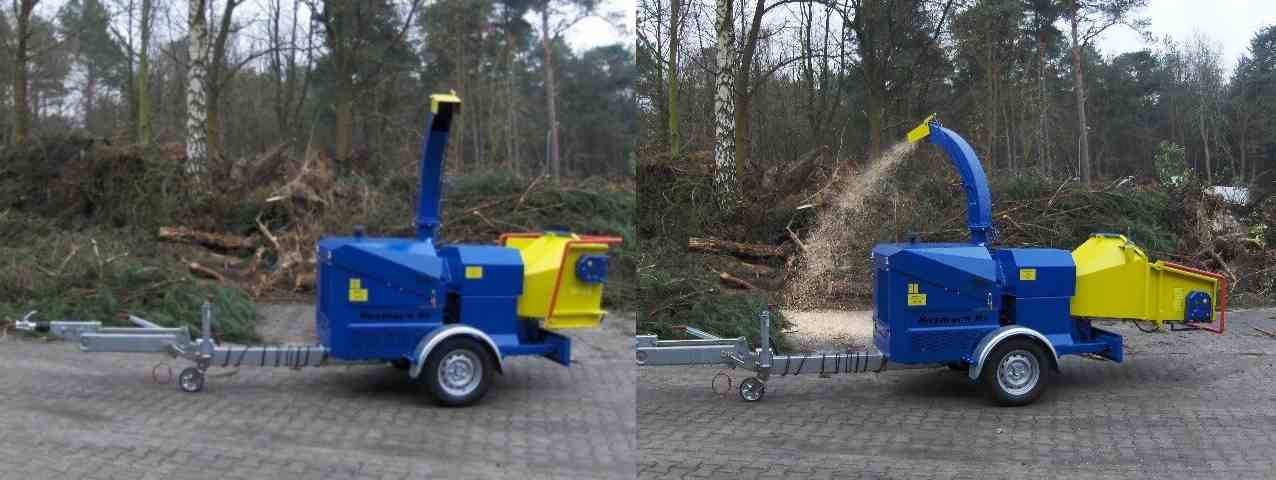
Wood Chippers H7
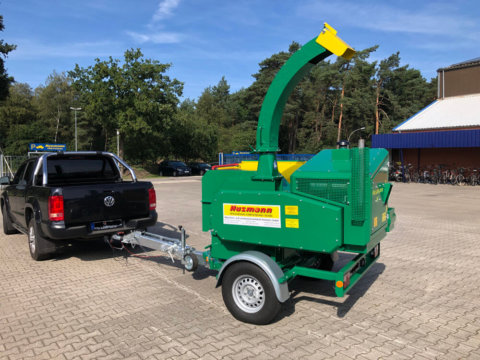
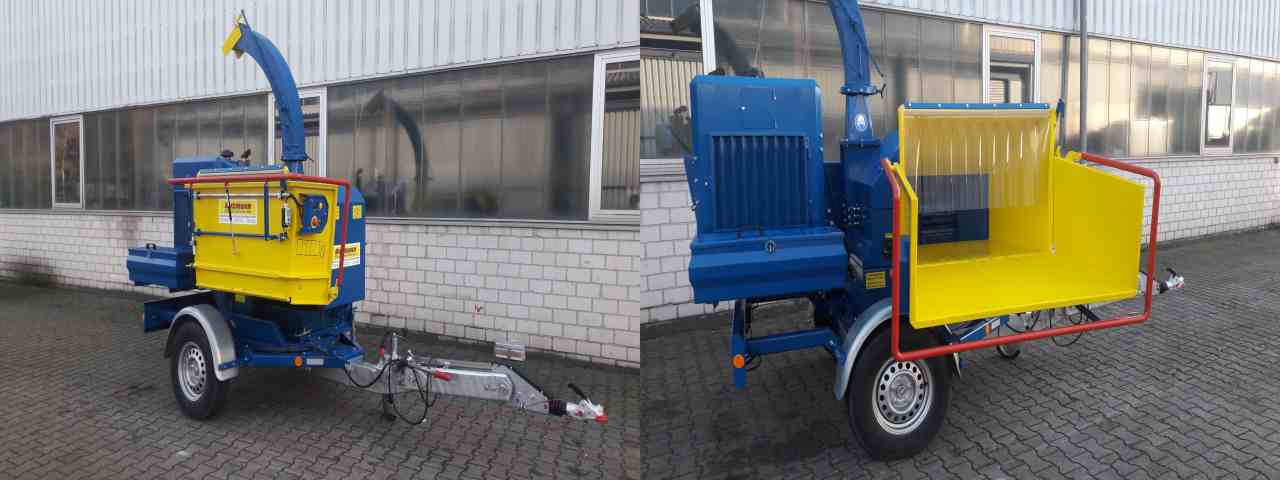
Wood Chippers H8
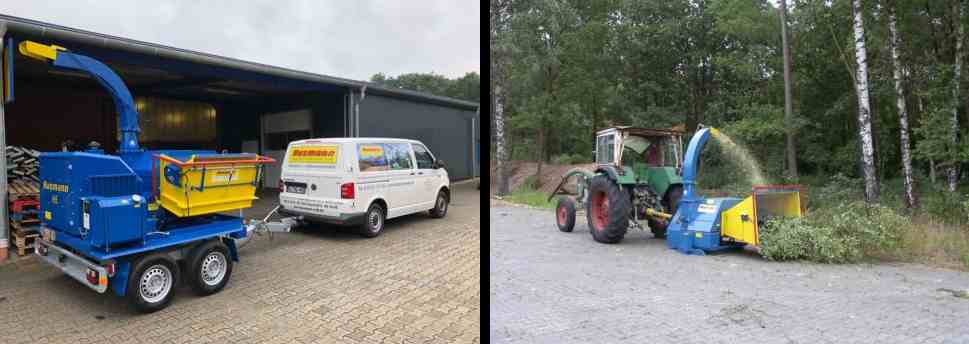
Wood Chippers H10

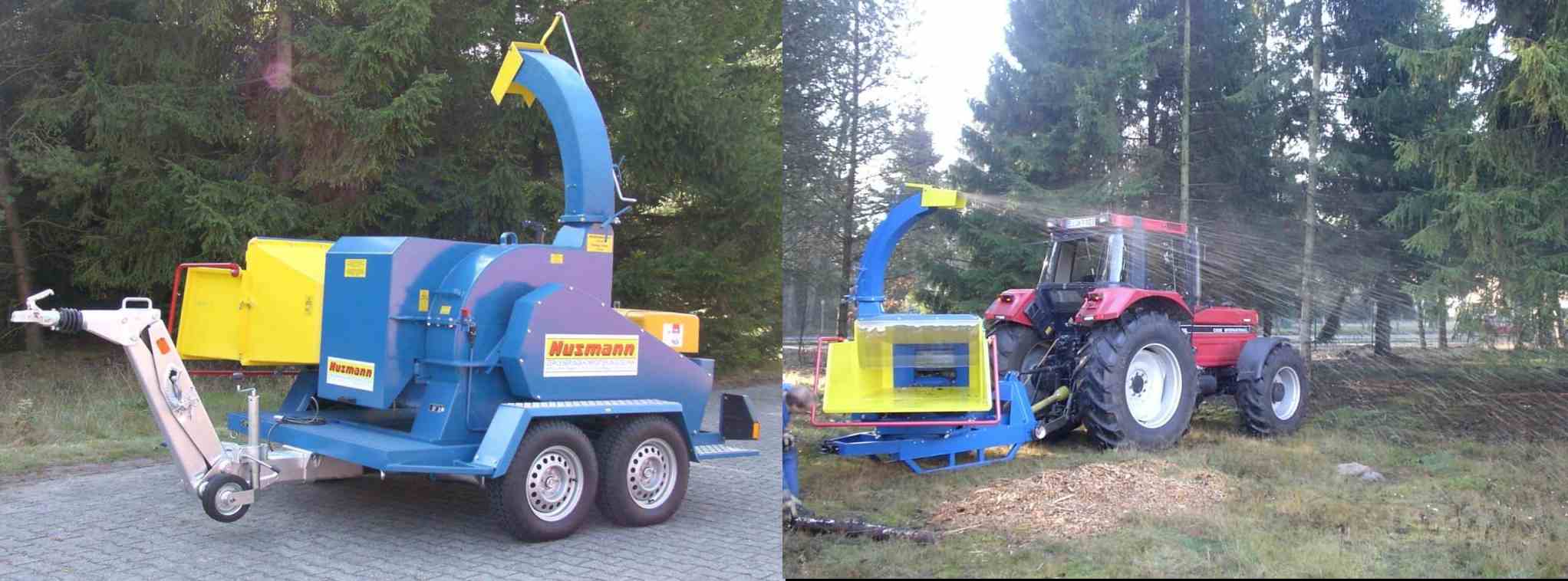


Select another category


FAQ for Commercial & Industrial Wood Chippers: FAQs & Machinery Guide
An industrial wood chipper is a heavy-duty mechanical machine engineered to reduce tree limbs, branches, logging slash, and bulky timber waste into uniform wood chips. Operating via high-torque disc, drum, or rotor cutting systems fitted with hardened alloy steel knives, these units process fibrous green waste rapidly. The resulting chips can be utilized for organic mulch, boiler biomass fuel, soil erosion control, compost, or pulp production, dramatically reducing bulk haulage volume and site disposal costs.
Commercial wood chippers rely on a high-inertia kinetic cutting and feeding sequence:
- Hydraulic In-Feed Rollers: Serrated, hydraulically powered twin feed rollers grab uneven branches, woody vegetation, and tree stems, crushing the material and pulling it into the cutting mechanism at a controlled rate.
- Rotary Cutting System: High-speed discs or heavy cylindrical drums fitted with reversible, heat-treated alloy steel blades slice the timber across or with the wood grain against an adjustable hardened anvil bed knife.
- Pneumatic / Fan Discharge: Integrated discharge vanes or high-velocity chip impellers create an internal airflow vortex that expels the chipped material through a 360-degree adjustable discharge chute directly into a truck bed, trailer, or mulch pile.
Operational Feature | Disc-Style Wood Chipper | Drum-Style Wood Chipper |
|---|---|---|
Cutting Mechanism | Large steel flywheel disc with radial mounted knives | Cylindrical drum rotating parallel to the in-feed |
Cutting Action | Slices timber at a 45-degree angle against an anvil | Chops material directly along the drum circumference |
Chip Uniformity | Produces highly uniform, clean chips (ideal for pulp/paper) | Excellent for varied, leafy green waste and limbs |
Throat Opening | Often restricted by disc geometry | Wider horizontal throat allowing broad crotches and bushy limbs |
Energy Efficiency | High kinetic inertia; energy-efficient on straight logs | High-throughput power for high-volume forestry work |
These machines are engineered to process a diverse range of organic and timber materials:
- Green Waste & Tree Prunings: Fresh tree limbs, branches, leafy foliage, and brush from council tree trimming and powerline clearing.
- Hardwood and Softwood Logs: Whole tree trunks, felled saplings, and timber offcuts up to the rated throat capacity of the chipper.
- Orchard and Vineyard Residues: Pruned fruit tree limbs, vine canes, and deadwood.
- Secondary Wood Waste: Clean timber offcuts, untreated pine framing, pallets, and sawmill slab wood.
Commercial wood chippers are specified to match continuous contractor and commercial workloads:
Technical Parameter | Standard Commercial Range | Operational Impact |
|---|---|---|
Timber In-Feed Capacity | 5 inches to 12+ inches (125 mm to 300 mm+) | Accommodates everything from light brush to heavy tree trunks |
Drive Options | Diesel engine, PTO tractor-driven, or electric motor | Adaptable for mobile towing, agricultural work, or stationary yards |
Engine Output | 25 HP to 140+ HP industrial engines | High torque prevents stalling during heavy branch intake |
Discharge Rotation | 270° to 360° adjustable rotating chute | Directs mulch smoothly into collection trucks or storage bins |
In-Feed Control | Intelligent “No-Stress” reverse auto-feed | Prevents engine bogging by reversing in-feed if RPM drops |
A “No-Stress” electronic feed control system monitors engine RPM in real time:
- If the engine speed drops below an optimal cutting threshold due to dense hardwood or large log resistance, the system instantly pauses or reverses the hydraulic feed rollers.
- Once the flywheel or drum regains full operating RPM, the feed rollers automatically resume pulling wood into the blades.
- This automated process prevents engine stall, protects hydraulic drive components from thermal overload, and avoids knife jamming.
Commercial wood chippers must comply with stringent Australian workplace safety standards (AS/NZS 4024 and forestry safety protocols):
- Bottom Feed Stop Bars & Safety Touch Bars: A prominent, responsive mechanical actuator bar wraps around the intake hopper. If an operator is pulled toward the hopper, body pressure on the bar instantly stops or reverses the feed rollers.
- Top & Side Emergency Stop Buttons: Dual-circuit mushroom E-stops located directly above the in-feed table for immediate hydraulic and engine shutdown.
- Extended In-Feed Table (Safety Hopper): A long hopper tray ensures operators cannot physically reach the feed rollers or cutting blades with their arms extended.
- Safety Lockout Pins: Mechanical locking pins secure the heavy cutting disc/drum in place during blade changes, preventing unexpected rotation during maintenance.
To accommodate diverse work environments, wood chippers can be deployed in multiple configurations:
- Road-Towable Trailer Units: Fitted with Australian ADR-compliant single or tandem axles, electric brakes, tow hitches, and road-legal LED lighting for highway transport.
- All-Terrain Tracked Units: Rubber track undercarriages that traverse steep embankments, soft terrain, forestry trails, and off-road easements where wheeled vehicles cannot go.
- Tractor PTO-Driven Units: 3-point linkage mounted chippers powered directly by agricultural or municipal tractor power take-off shafts.
- Stationary Skid-Mounted Units: Anchored for fixed sawmill, pallet-recycling, or waste transfer station processing lines.
Consistent scheduled servicing ensures maximum productivity and extends component life:
- Blade Sharpening & Gapping: Inspecting, flipping, or re-grinding reversible cutting knives every 25 to 50 operating hours, and adjusting the anvil-to-blade clearance (typically 1.0 mm to 1.5 mm).
- Hydraulic System Servicing: Monitoring hydraulic oil cleanliness, inspecting high-pressure feed roller hoses, and swapping return line filters.
- Drive Belt Tensioning: Checking multi-groove drive belt tension and alignment to prevent belt slip under heavy load.
- Bearing Lubrication: Greasing main cutting shaft bearings and feed roller pivot points with high-temperature, extreme-pressure grease daily or weekly. Smart Waste Australia provides nationwide scheduled preventative maintenance, genuine replacement blades, and emergency mechanical repair services.