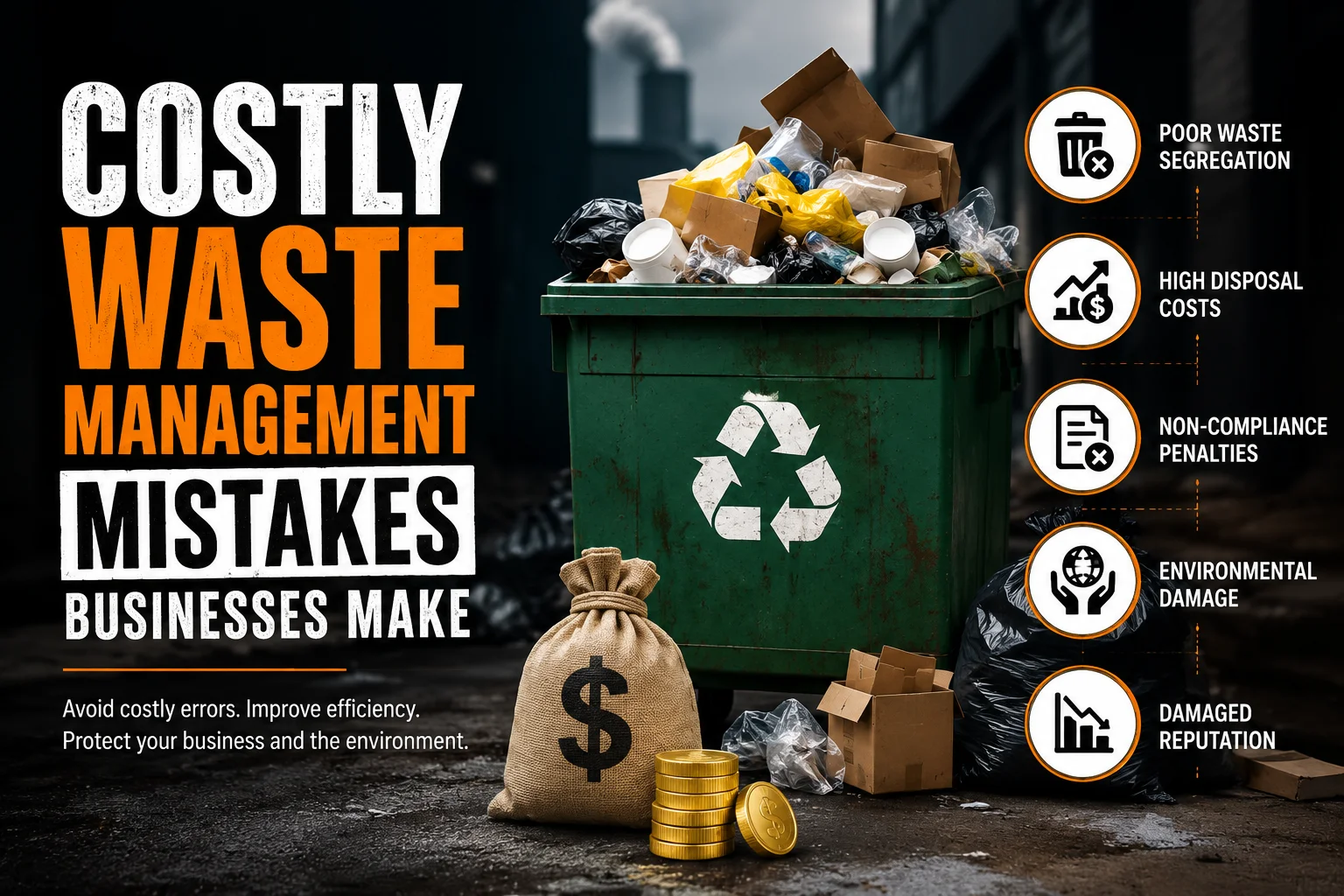
Waste collection costs continue to rise across Australia, affecting warehouses, manufacturing facilities, distribution centres, retailers, and logistics businesses.
Whether your business operates in Perth, Adelaide, Melbourne, Sydney, Brisbane, or other major industrial regions, inefficient waste management can lead to unnecessary collection fees, wasted floor space, increased labour costs, and reduced operational efficiency.
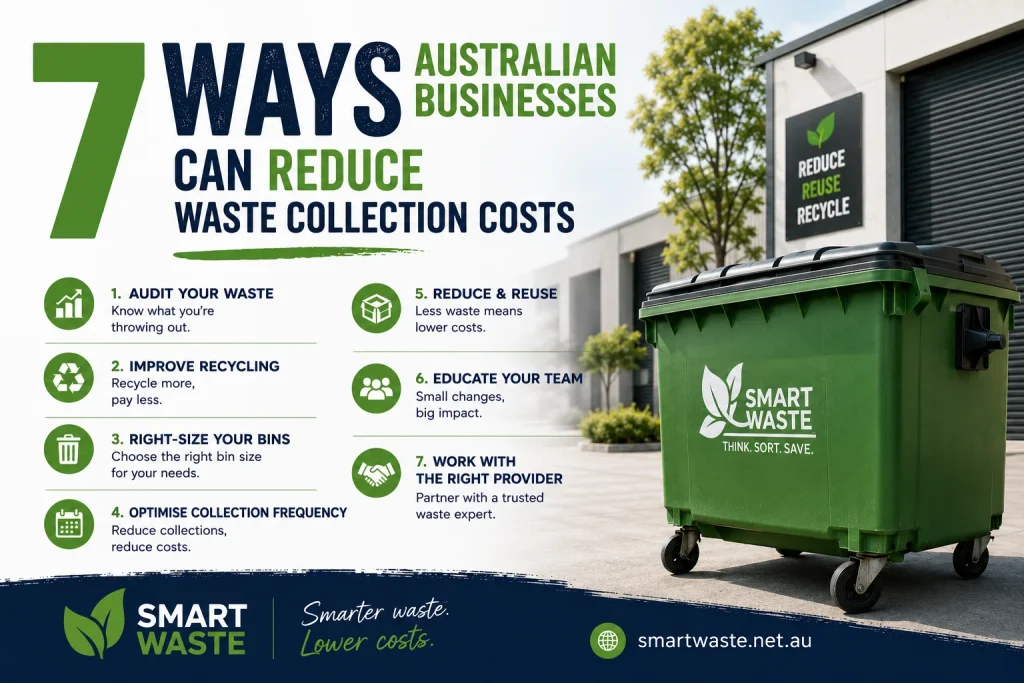
Fortunately, there are practical strategies businesses can implement to reduce waste collection costs while improving recycling performance and workplace productivity.
Reduce Waste Volume Before Collection
One of the biggest reasons businesses pay excessive waste collection fees is volume.
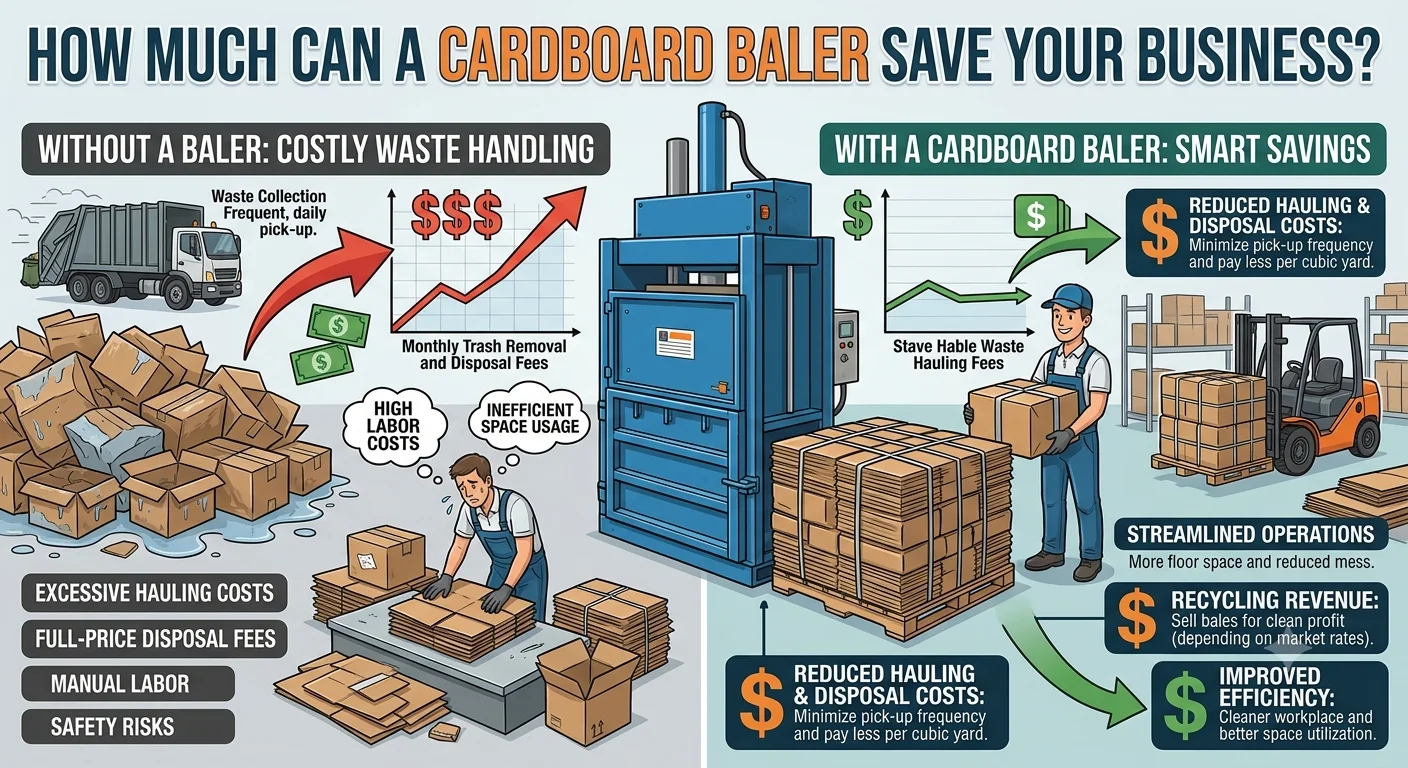
Loose cardboard, plastic packaging, and general waste occupy significant space in bins and skips, often requiring more frequent collections.
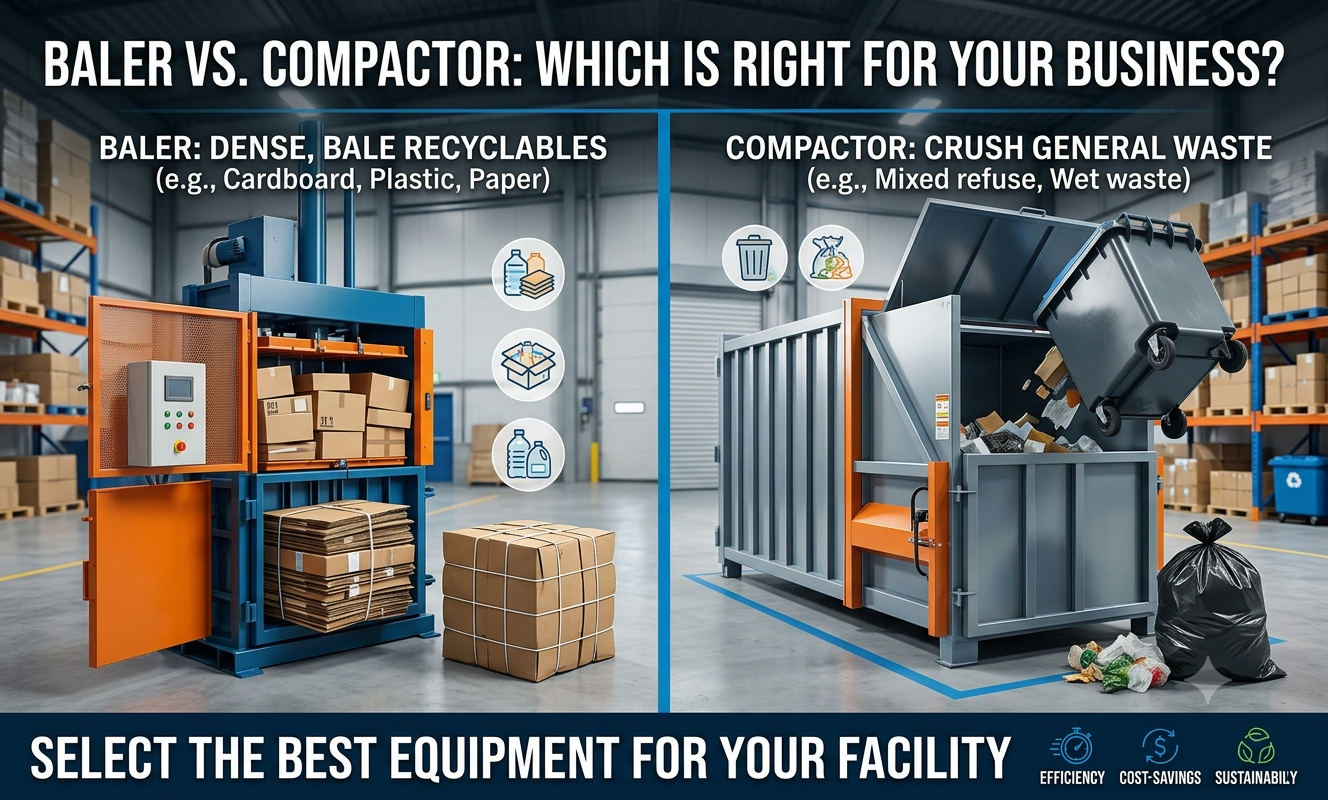
Businesses across Perth, Adelaide, Melbourne, Sydney, and Brisbane are increasingly using waste compactors and balers to reduce waste volume and lower collection frequency.
Improve Cardboard Recycling Processes
Warehouses and distribution centres generate substantial amounts of cardboard waste every day.
By separating and compacting recyclable cardboard, businesses can reduce landfill disposal costs while improving sustainability outcomes.
This is particularly important in major logistics hubs such as Melbourne, Sydney, Brisbane, Perth, and Adelaide, where packaging waste volumes continue to grow.
Review Collection Schedules Regularly
Many organisations continue operating on collection schedules established years ago.
As business operations change, waste generation patterns often change as well.
Reviewing collection frequency can reveal opportunities to reduce unnecessary pickups and lower ongoing waste management expenses.
Reclaim Valuable Operational Space
Waste storage areas often consume more space than businesses realise.
Loose cardboard, overflowing bins, and unmanaged recycling streams can reduce productivity and limit available storage capacity.
By reducing waste volume at the source, businesses can free up valuable floor space for inventory, equipment, and operational activities.
Improve Waste Segregation
Effective waste separation can significantly reduce disposal costs.
Separating cardboard, paper, plastics, and recyclable materials helps improve recycling rates and reduce landfill dependency.
Businesses that implement clear waste segregation processes often achieve better waste management outcomes while lowering overall waste handling costs.
Reduce Labour Spent Handling Waste
Employees frequently spend valuable time flattening boxes, moving bins, transporting waste, and managing collection areas.
Modern waste handling systems can reduce manual labour requirements and improve operational efficiency.
For businesses operating in fast-moving logistics and manufacturing environments, labour savings can be just as valuable as collection cost reductions.
Invest in Smarter Waste Management Solutions
The right waste management equipment can transform how businesses manage waste.
Solutions such as cardboard balers, waste compactors, shredders, and recycling systems help organisations reduce waste volume, improve recycling performance, and create more efficient waste handling processes.
Businesses across Western Australia, South Australia, Victoria, New South Wales, and Queensland are increasingly adopting these solutions to manage rising waste disposal costs.
Final Thoughts
Reducing waste collection costs is not simply about negotiating lower collection rates.
The greatest savings often come from reducing waste volume, improving recycling rates, increasing operational efficiency, and implementing smarter waste management systems.
Whether your business is located in Perth, Adelaide, Melbourne, Sydney, Brisbane, or another major Australian industrial centre, taking a proactive approach to waste management can help reduce costs while supporting long-term sustainability goals.