Investing in waste management equipment is rarely a simple purchase decision.
Whether you’re managing a warehouse in Perth, a manufacturing facility in Adelaide, a distribution centre in Melbourne, or a logistics operation in Sydney, the same question often comes up:
Should we buy the equipment outright, or would leasing be the smarter option?
The answer depends on far more than the upfront price.
Waste volumes, business growth plans, available capital, operational goals, and long-term cost considerations all play a role in determining which option delivers the best return on investment.
In this guide, we’ll break down the advantages and disadvantages of buying and leasing waste management equipment, helping Australia businesses make a more informed decision.
Why More Businesses Are Reviewing Their Waste Management Strategy
Rising disposal costs, increasing recycling requirements, and growing pressure to improve operational efficiency have forced many businesses to rethink how they manage waste.
Equipment such as cardboard balers, plastic balers, waste compactors, shredders, and bin handling systems can significantly reduce waste volumes while improving workplace efficiency.
The challenge isn’t deciding whether waste management equipment is valuable, it’s deciding how to acquire it in a way that makes financial sense.
When Buying Waste Management Equipment Makes Sense
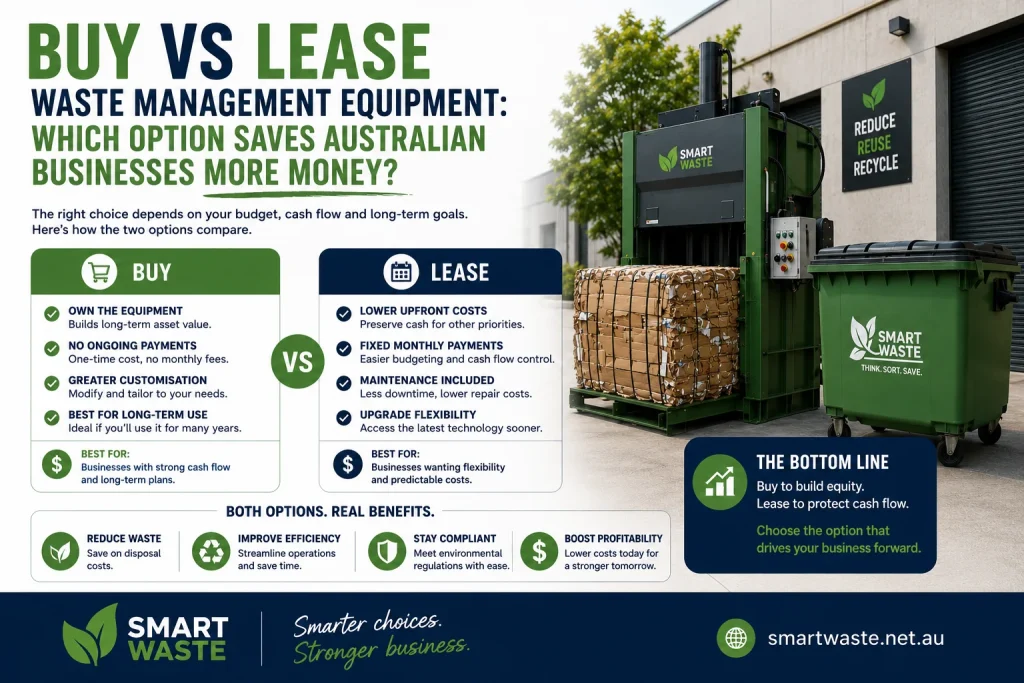
For businesses with stable operations and predictable waste volumes, purchasing equipment can often provide the greatest long-term value.
Buying may be the right option if:
- Your business generates consistent waste volumes year-round.
- You plan to use the equipment for many years.
- You have available capital for investment.
- You want full ownership of the asset.
- You are focused on long-term cost savings.
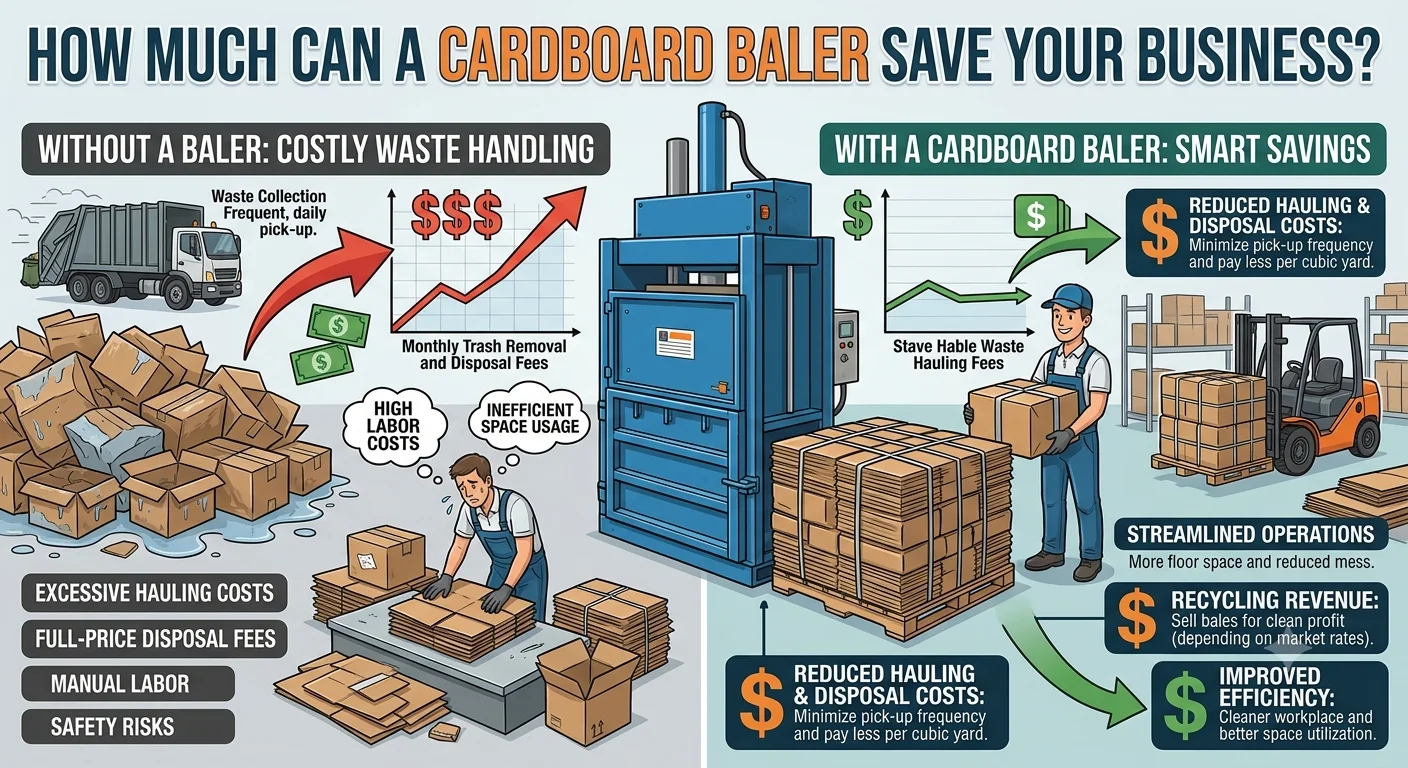
For example, a warehouse producing large amounts of cardboard packaging every day may benefit from owning a cardboard baler, allowing the business to maximise its return over the equipment’s lifespan.
While the initial investment is higher, ownership can provide lower lifetime costs when equipment is heavily utilised.
When Leasing Waste Management Equipment Makes Sense
Leasing can be an attractive option for businesses looking to improve waste handling without a large upfront investment.
Leasing may be worth considering if:
- Cash flow is a priority.
- Waste volumes are expected to change.
- The business is expanding rapidly.
- Equipment requirements are still being evaluated.
- You prefer predictable monthly expenses.
Many growing businesses choose leasing as a way to access modern waste management equipment while preserving capital for other operational investments.
For newer facilities or businesses experiencing rapid growth, leasing can provide flexibility without requiring a significant upfront commitment.
Comparing Common Waste Management Equipment
Cardboard Balers
Cardboard balers are commonly used by warehouses, retailers, logistics companies, and distribution centres.
Buying may suit businesses with consistent cardboard waste generation, while leasing may be beneficial for operations experiencing seasonal fluctuations or rapid growth.
Waste Compactors
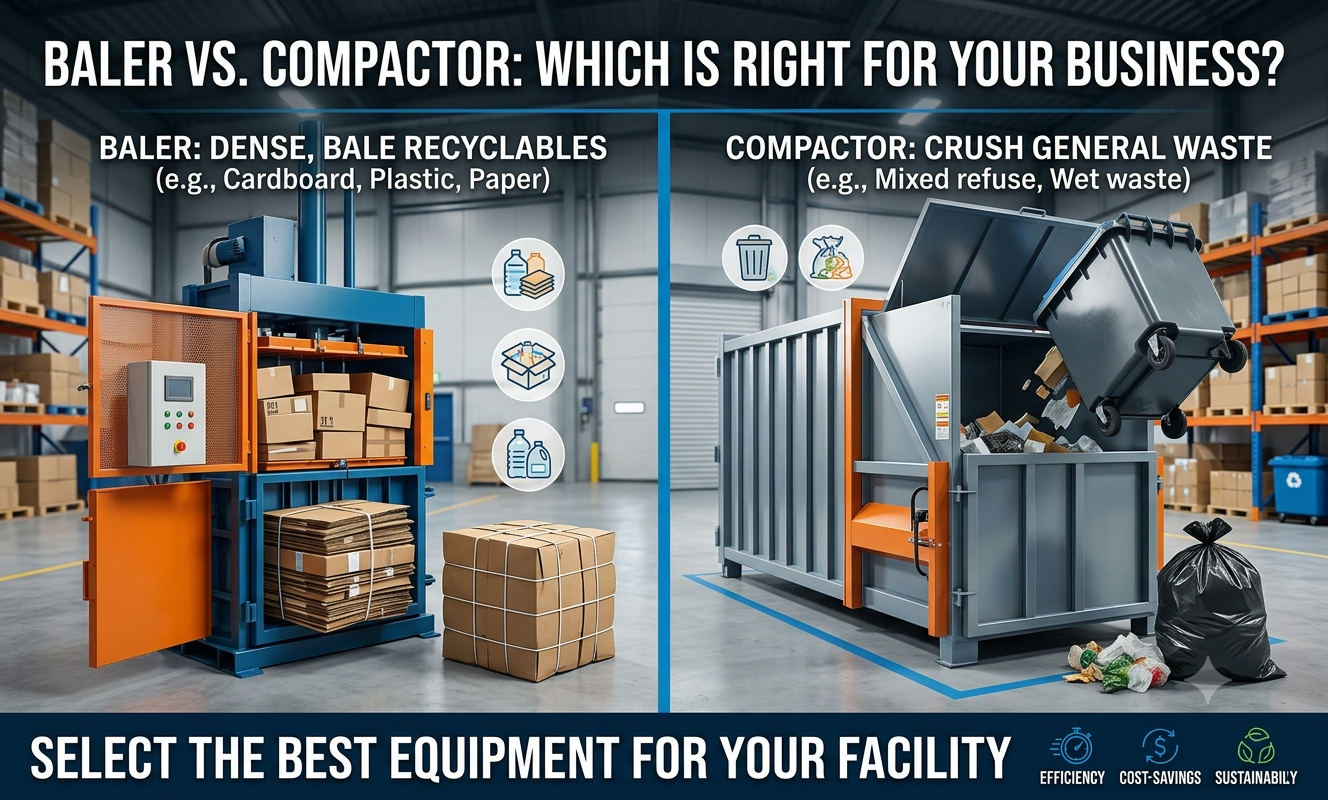
Waste compactors are often used where general waste Solution volumes are high. Static Compactors and Transfer Stations provide an efficient solution for businesses handling large volumes of waste.
Businesses generating substantial waste every week may find ownership delivers stronger long-term value, while leasing can reduce initial financial pressure.
Plastic Balers
For organisations with dedicated recycling programs, purchasing may offer better long-term returns.
For businesses still evaluating recycling initiatives, leasing may provide greater flexibility.
Shredders and Recycling Equipment
Equipment requirements often vary depending on industry and waste streams.
Businesses should consider expected usage levels, maintenance requirements, and future growth plans before making a decision.
Questions Every Business Should Ask Before Choosing
Before deciding whether to buy or lease waste management equipment, consider the following:
How much waste do we generate?
The more waste your business handles, the greater the potential value of investing in equipment.
Are our waste volumes likely to increase?
Future growth can influence equipment requirements and determine whether flexibility is important.
What is our available budget?
Upfront investment capability often plays a major role in the decision-making process.
How quickly do we need a return on investment?
Some businesses prioritise immediate operational improvements, while others focus on long-term cost savings.
Is waste reduction part of our long-term strategy?
Businesses committed to improving sustainability and reducing waste disposal costs may benefit from a longer-term ownership approach.
The Real Cost Is Often Not the Equipment
Many businesses focus entirely on purchase price or lease payments.
However, the bigger financial impact often comes from:
- Waste collection costs
- Landfill fees
- Labour spent handling waste
- Lost storage space
- Inefficient recycling processes
The right equipment can help reduce these costs regardless of whether it is purchased or leased.
For this reason, the best decision is often the one that improves operational efficiency and reduces ongoing waste management expenses.
Final Thoughts
There is no universal answer to the buy-versus-lease question.
For some businesses, purchasing equipment provides stronger long-term value and greater return on investment. For others, leasing offers flexibility and lower upfront costs that better align with operational goals.
The most effective approach is to assess your waste volumes, business objectives, growth plans, and financial priorities before making a decision.
Whether you’re operating in Perth, Adelaide, Melbourne, Sydney, Brisbane, or anywhere else in Australia, choosing the right waste management equipment strategy can play a significant role in reducing costs, improving efficiency, and supporting long-term business growth.
FAQs About Buying vs Leasing Waste Management Equipment
The answer depends on waste volumes, expected usage, available capital, and business objectives. High-utilisation businesses often benefit from ownership, while growing businesses may prefer leasing flexibility.
Many businesses choose to lease cardboard balers, waste compactors, recycling systems, shredders, and waste handling equipment.
Warehousing, manufacturing, logistics, retail, distribution, hospitality, and commercial operations often experience the greatest operational and financial benefits.
Warehousing, manufacturing, logistics, retail, distribution, hospitality, and commercial operations often experience the greatest operational and financial benefits.