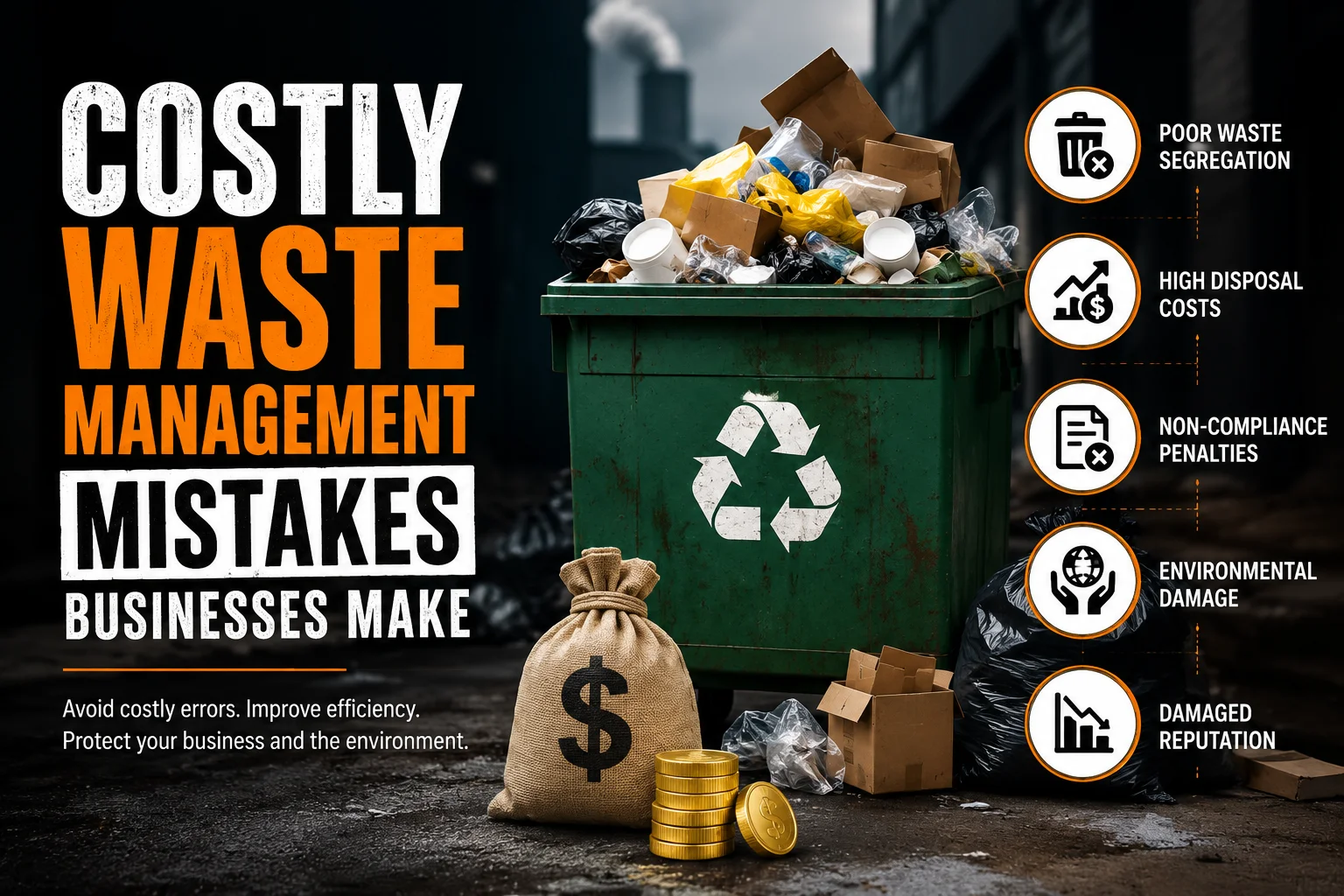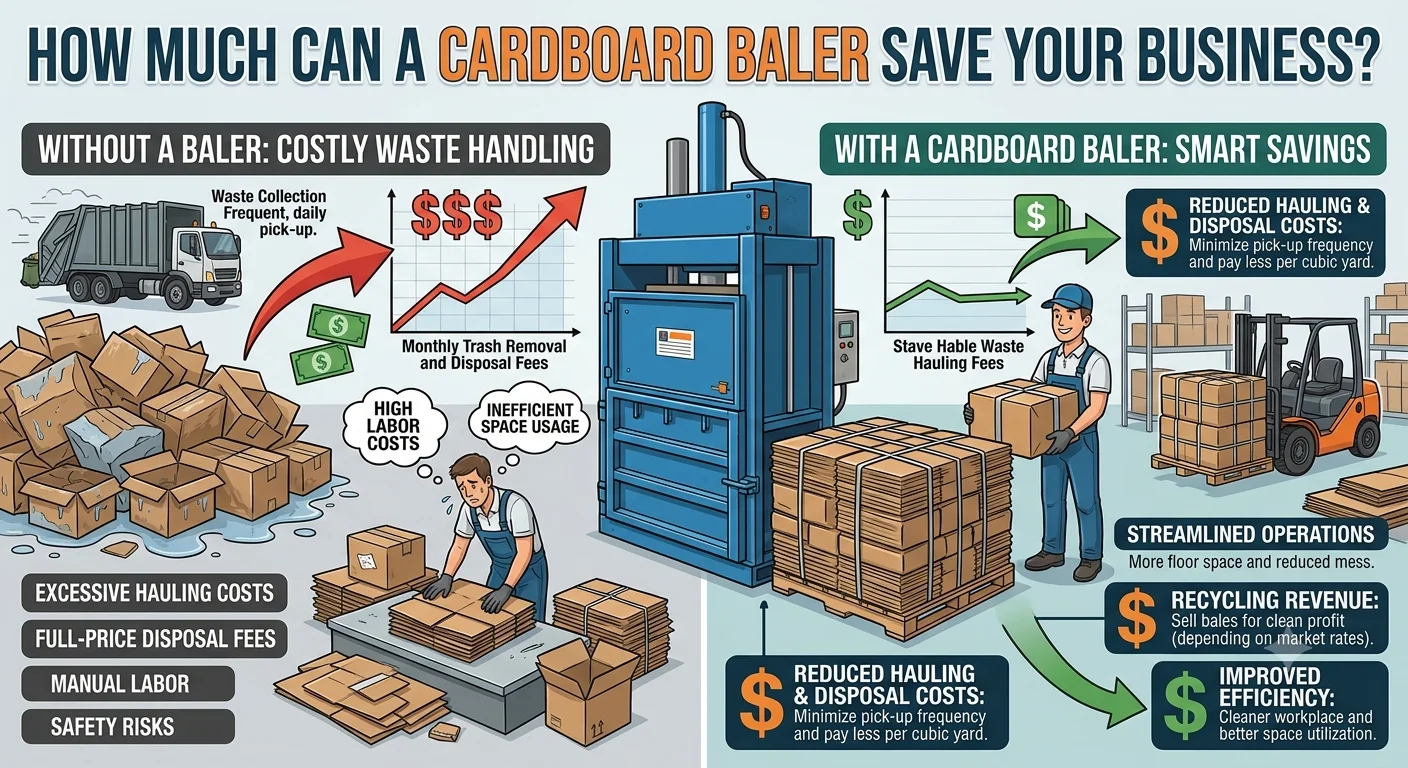
Managing commercial waste efficiently isn’t just about keeping workspaces clean—it’s about reducing operating costs, improving recycling rates, and creating a safer, more organised facility. As businesses generate increasing amounts of cardboard, plastics, packaging materials, and general waste, selecting the right waste management equipment becomes an important operational decision. One of the most common questions businesses ask is whether they need a baler or a compactor. While both machines reduce waste volume, they are designed for different waste streams and operational goals. Choosing the wrong equipment can result in higher disposal costs, reduced recycling opportunities, and unnecessary labour. Understanding the difference between a baler vs compactor helps businesses invest in equipment that supports their recycling objectives while improving efficiency across daily operations.
What Is a Baler?
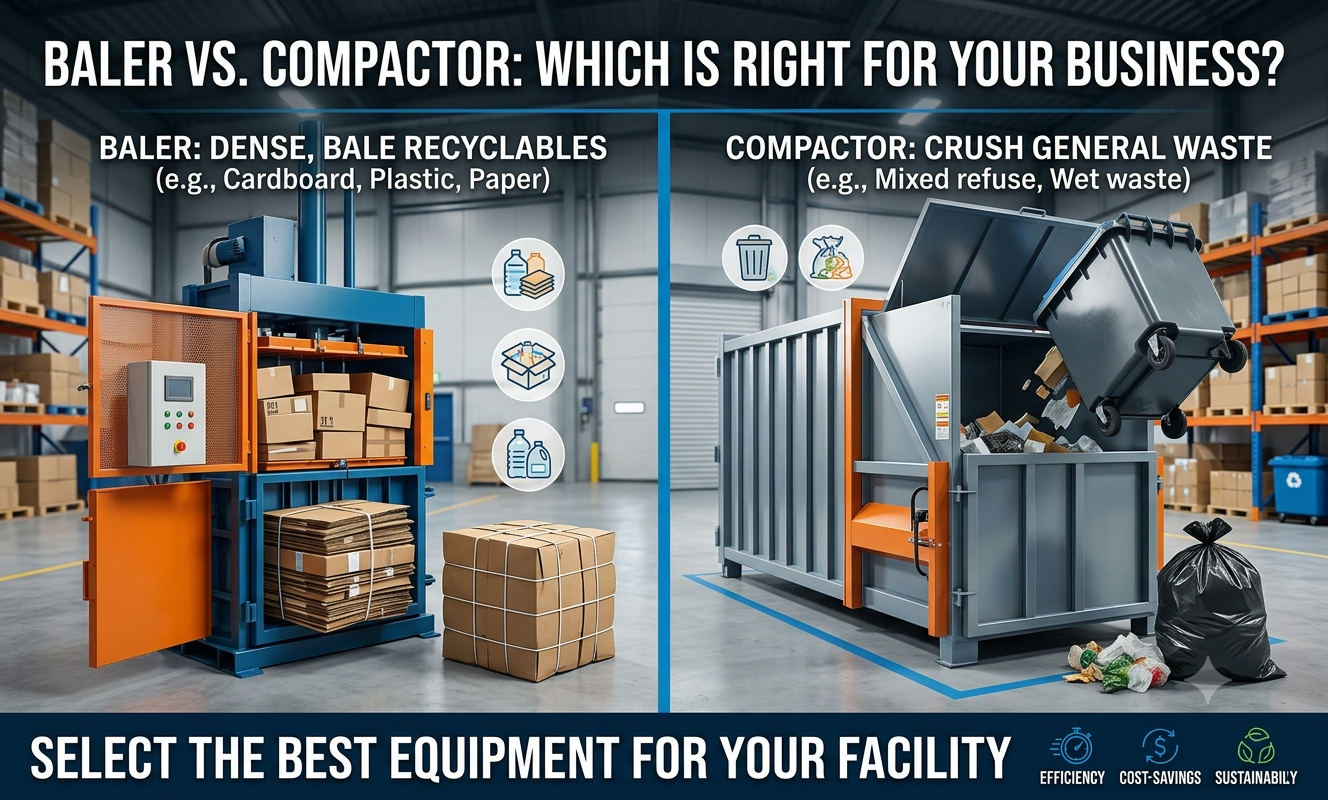
A waste baler is designed to compress recyclable materials into dense, uniform bales that are easier to store, transport, and recycle. Cardboard, paper, plastic film, PET bottles, aluminium cans, and certain textiles are common materials processed using a baler. Unlike equipment that simply reduces waste volume, a baler prepares recyclable materials for collection and reprocessing. Compact, tightly bound bales occupy less storage space and are easier to handle, helping businesses streamline recycling operations. Industries that commonly use cardboard balers include:
- Warehouses
- Retail stores
- Distribution centres
- Manufacturing facilities
- Supermarkets
- Logistics companies
- Recycling centres
For organisations generating a consistent volume of recyclable packaging waste, a baler supports better material recovery and can contribute to a more efficient recycling process.
What Is a Compactor?
A waste compactor compresses general waste into a smaller volume, reducing the number of waste collections required and improving waste storage efficiency.
Unlike a baler, a compactor is typically used for mixed or non-recyclable waste streams rather than producing recyclable bales. Materials such as general commercial waste, food waste, contaminated packaging, and mixed refuse are commonly handled using compactors. Waste compactors are widely used by:
- Hotels
- Restaurants
- Shopping centres
- Hospitals
- Office buildings
- Apartment complexes
- Councils
- Commercial facilities
Businesses that produce large amounts of general waste often use compactors to reduce collection frequency, minimise overflowing bins, and improve site cleanliness.
Baler vs Compactor: At a Glance
| Feature | Baler | Compactor |
| Primary Purpose | Compress recyclable materials into bales | Compress mixed waste to reduce volume |
| Best Materials | Cardboard, paper, plastics, cans | General waste, mixed refuse, food waste |
| Recycling Benefits | High | Limited |
| Waste Collection | Recyclables collected separately | General waste collected for disposal |
| Revenue Potential | Possible from recyclable materials | No recycling revenue |
| Labour | Moderate | Low |
| Space Savings | Excellent | Excellent |
| Typical Users | Warehouses, retail, manufacturing | Hospitality, healthcare, commercial buildings |
Although both machines reduce waste volume, they solve different operational challenges.
Understanding the Key Differences
1 Purpose
The biggest difference between a baler and a compactor lies in what happens to the waste after it leaves your facility.
- A cardboard balerprepares recyclable materials for collection, helping businesses divert valuable resources from landfill and improve recycling efficiency.
- A waste compactorfocuses on reducing the size of general waste, making it easier and more cost-effective to store and dispose of.
If recycling is a priority, a baler is often the preferred solution. If the main objective is reducing general waste collection costs, a compactor may be more appropriate.
2 Waste Stream
Before selecting any waste management equipment, businesses should evaluate the types of waste they generate.
- A baler is ideal when recyclable materials such as cardboard boxes, paper packaging, shrink wrap, or plastics make up a significant proportion of the waste stream.
- A compactor is more suitable where waste consists primarily of mixed refuse, food waste, contaminated packaging, or materials that cannot be economically recycled.
Many organisations benefit from conducting a waste audit before investing in equipment, ensuring the selected solution aligns with their operational requirements.
3 Recycling and Sustainability
Businesses across Australia are placing greater emphasis on sustainability and resource recovery. Separating recyclable materials from general waste not only supports environmental objectives but can also improve recycling outcomes and reduce landfill dependence. A baler helps businesses keep recyclable materials clean, organised, and ready for processing. In contrast, a compactor is intended for waste destined for disposal and is generally not suitable for producing recyclable bales.
Where sustainability targets are a key business priority, investing in the right recycling equipment can support broader waste reduction initiatives while improving day-to-day waste management practices.
4 Space Requirements
Both machines reduce storage requirements, but they differ in installation needs. Vertical cardboard balers are well suited to businesses with limited floor space, while larger horizontal balers require additional room for loading, bale storage, and maintenance access.
Compactors also vary in size depending on the model and intended application. Businesses should consider available space, waste collection access, and future operational growth before installation.
5 Labour and Productivity
Handling loose cardboard manually can be time-consuming and inefficient. A baler reduces manual handling by compressing recyclable materials into manageable bales, improving workplace organisation and reducing clutter. Compactors simplify the handling of general waste by reducing the frequency of bin changes and waste collections, helping staff spend less time managing waste and more time on core business activities.
Can a Business Use Both a Baler and a Compactor?
One of the biggest misconceptions is that businesses must choose either a baler or a compactor. In reality, many medium and large organisations use both because they serve different purposes. A baler is ideal for managing recyclable materials such as cardboard, paper, and certain plastics, while a compactor is designed for general or non-recyclable waste. Using both systems allows businesses to separate waste streams more effectively, reduce landfill volumes, and improve overall waste management efficiency.
For example:
- A warehouse may use a cardboard balerto process packaging materials while using a waste compactor for mixed general waste.
- A supermarket can bale cardboard from deliveries and compact food-contaminated packaging that cannot be recycled.
- A manufacturing facility may recycle plastic films and cardboard through a baler while compacting production waste separately.
Managing recyclable and general waste independently often creates a cleaner site, streamlines waste handling, and supports broader sustainability initiatives.
Which Solution Is Best for Your Industry?
The right equipment depends on the type of waste your business generates rather than the size of the organisation alone.
| Industry | Recommended Solution | Why? |
| Warehouses | Cardboard Baler | Large volumes of packaging waste |
| Distribution Centres | Cardboard Baler | Continuous cardboard recycling |
| Retail Stores | Cardboard Baler | Packaging and delivery boxes |
| Manufacturing | Baler + Compactor | Mixed recyclable and general waste |
| Supermarkets | Baler + Compactor | Cardboard plus food-contaminated waste |
| Hotels | Waste Compactor | High volumes of general waste |
| Restaurants | Waste Compactor | Food waste and mixed refuse |
| Hospitals | Waste Compactor | General commercial waste management |
| Shopping Centres | Waste Compactor | Multiple waste streams from tenants |
| Recycling Facilities | Horizontal Cardboard Baler | High-volume recyclable materials |
Understanding your waste composition before purchasing equipment helps ensure the investment delivers long-term operational value.
Common Mistakes Businesses Make
1 Choosing Equipment Before Understanding Waste Streams
Many businesses invest in equipment based on assumptions rather than analysing the waste they generate. A simple waste assessment can identify the proportion of recyclable materials versus general waste and help determine the most suitable solution.
2 Focusing Only on Purchase Price
Lower upfront costs don’t always result in lower long-term operating costs. Labour savings, waste collection frequency, recycling efficiency, maintenance, and equipment lifespan should all be considered when evaluating return on investment.
3 Buying Equipment That Can’t Support Future Growth
Waste volumes often increase as businesses expand. Selecting equipment that only meets today’s requirements may result in additional investment sooner than expected.
4 Ignoring Available Space
Equipment installation should account for loading access, operator movement, maintenance, and storage of finished bales or waste containers. Choosing a machine that fits both current operations and future growth can prevent costly site modifications later.
5 Overlooking Service and Support
Reliable servicing, preventive maintenance, and access to technical support play an important role in keeping equipment operating safely and efficiently. When comparing suppliers, businesses should consider the availability of ongoing support alongside equipment specifications.
Expert Buying Checklist
Before deciding between a baler and a compactor, ask the following questions:
- What percentage of our waste is recyclable?
- How much cardboard or packaging waste do we generate each week?
- Are waste collection costs increasing?
- Do we have sufficient space for installation and safe operation?
- Would separating recyclable materials improve efficiency?
- Is labour currently being spent managing loose waste?
- Do we expect waste volumes to grow over the next few years?
- Will we benefit from ongoing servicing and maintenance support?
Answering these questions can help businesses make an informed investment based on operational requirements rather than assumptions.
Baler vs Compactor: Which Should You Choose?
There is no universal answer because the right solution depends on the waste generated by your business. Choose a cardboard baler if your organisation produces large volumes of recyclable materials such as cardboard, paper, or plastic packaging and wants to improve recycling efficiency while reducing storage requirements.
Choose a waste compactor if your primary goal is to reduce the volume of mixed or general waste, minimise collection frequency, and improve site cleanliness. Many organisations achieve the best results by combining both systems, using a baler for recyclable materials and a compactor for general waste. This approach supports better waste segregation, improves operational efficiency, and helps businesses maximise the value of their waste management strategy.
Improve Waste Management with the Right Equipment
Choosing between a baler and a compactor is about more than reducing waste volume. The right equipment can improve operational efficiency, support recycling initiatives, optimise storage space, and reduce long-term waste management costs. Whether your business is looking to recycle more cardboard, manage general waste more effectively, or create a tailored waste management strategy, selecting equipment that matches your waste stream is essential.
Smart Waste Solutions works with businesses across a wide range of industries to recommend waste management equipment that aligns with operational requirements, available space, and long-term sustainability goals.
Contact Smart Waste Solutions today to discuss the most suitable baler, compactor, or integrated waste management solution for your business.
Frequently Asked Questions for Baler vs Compactor: Which Should You Choose?
A baler compresses recyclable materials such as cardboard, paper, and plastics into compact bales for recycling. A compactor reduces the volume of general or mixed waste to improve storage efficiency and reduce waste collection frequency.
Neither is universally better. A cardboard baler is ideal for recyclable materials, while a waste compactor is better suited for general waste. The right choice depends on the type of waste your business produces.
Yes. Many businesses use a baler for recyclable materials and a compactor for general waste. This combination helps improve recycling rates, reduce landfill waste, and create a more efficient waste management process.
Warehouses, manufacturers, distribution centres, retailers, supermarkets, logistics companies, and recycling facilities commonly use cardboard balers to manage packaging waste efficiently.
Compactors can reduce waste disposal costs by compressing general waste, allowing businesses to decrease the frequency of waste collections and make better use of available bin space.
Review the composition of your waste stream. If recyclable materials such as cardboard dominate, a baler is likely the better option. If most waste is mixed or non-recyclable, a compactor may be more suitable. A professional waste assessment can help identify the best solution.
Maintenance requirements vary by equipment model and usage. Routine servicing, inspections, and preventive maintenance are important for both balers and compactors to ensure reliable performance and safe operation.
Yes. A waste audit helps identify waste volumes, material types, recycling opportunities, and operational challenges, making it easier to select equipment that supports your business objectives.