
Single Shaft Shredders
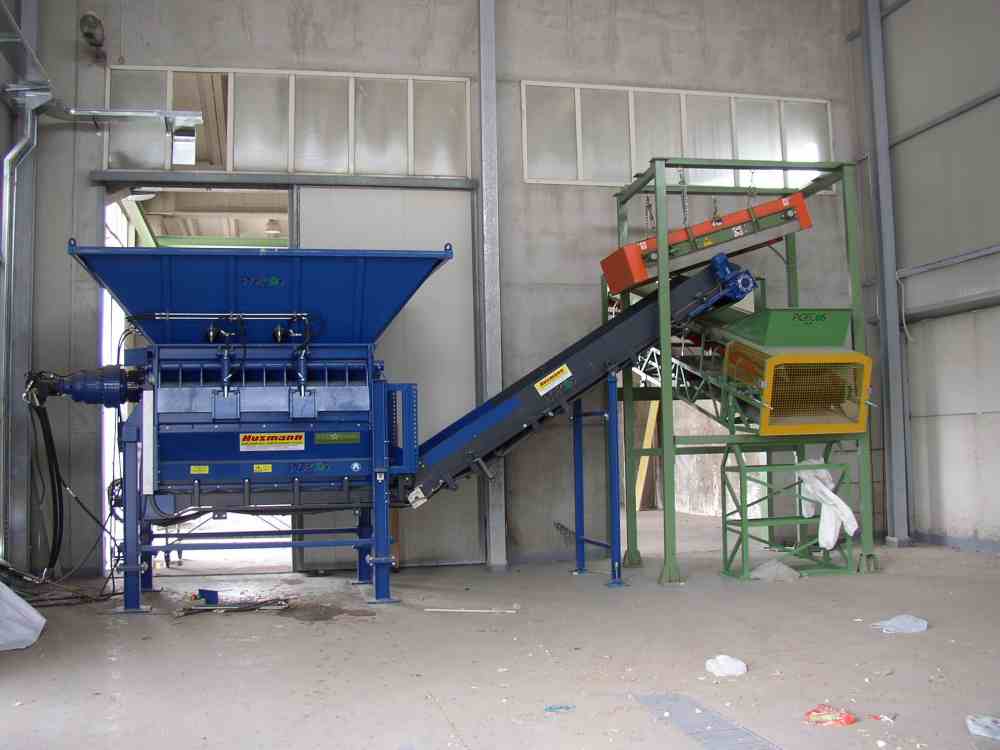
Shredders HL | 1222
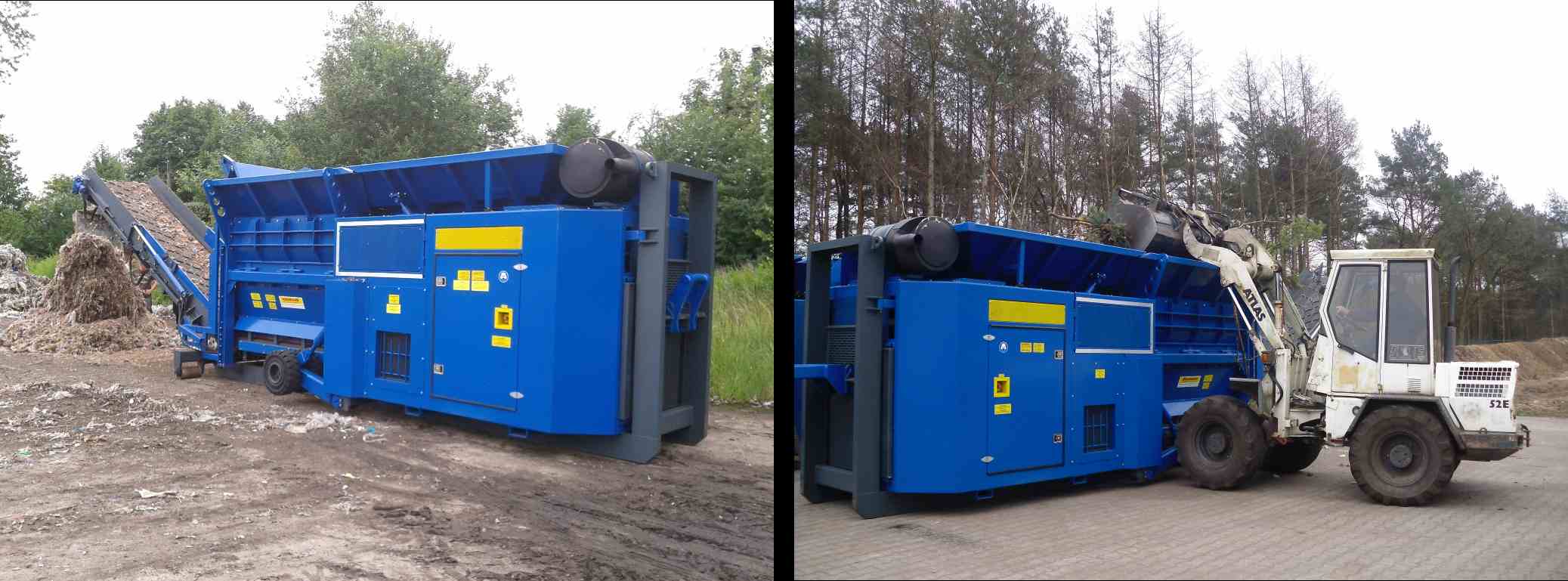
Shredders HL | 1225


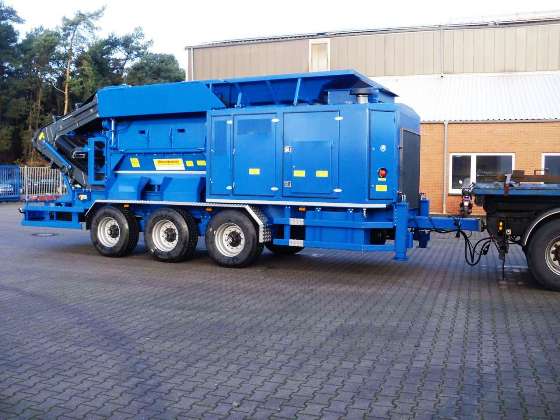
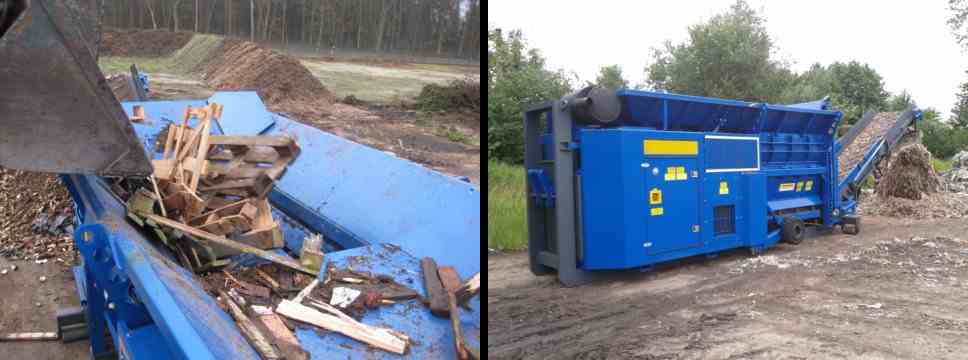
Shredders HL | 1230


Select another category


FAQfor Industrial Single Shaft Shredders: FAQs & Engineering Guide
The Wood Chipper H-8 is a heavy-duty commercial timber and green waste chipping machine engineered to process tree trunks, heavy hardwood limbs, palm fronds, and dense logging slash up to 8 inches (200 mm to 205 mm) in diameter.
Built for demanding industrial arborist work, municipal land clearing, forestry thinning, and large-scale commercial tree removal, the H-8 provides high continuous throughput, heavy flywheel inertia, and aggressive crushing power to process broad branch crotches without requiring chainsaw pre-trimming.
The shredding sequence relies on a synchronized hydraulic-mechanical process:
- Material In-Feed: Bulky waste is deposited into a large top hopper via conveyor, forklift, grab crane, or automated bin tipper.
- Hydraulic Ram Thrust: A load-sensing, horizontal hydraulic ram pushes the material forward against the rotating shaft. The ram automatically regulates its forward thrust based on the motor’s electrical current to prevent rotor overload.
- Scissor-Action Cutting: Rotatable tool-steel cutting knives mounted on the rotor slice across the material against a stationary bed anvil (counter-knife) at close tolerances.
- Screen Classification: Shredded material drops onto an interchangeable curved classifier screen (aperture sizes typically 15 mm to 100 mm). Undersized pieces pass through directly onto an outfeed conveyor, while oversized fragments are carried back up by the rotor for another cutting pass.
- Output Particle Uniformity: Single shaft shredders utilize a bottom classification screen, ensuring every particle leaving the machine is within a precise dimensional tolerance. Two shaft shredders cut without a screen, producing variable-width strips or irregular pieces.
- Feeding Mechanism: Single shaft machines use an internal hydraulic ram to force lightweight, bulky materials into the rotor. Two shaft shredders rely strictly on gravity and counter-rotating knife hooks to pull materials downward.
- Maintenance & Knife Costs: Single shaft shredders feature small, indexable four-way square cutting inserts that can be rotated three times before replacement. Dual shaft shredders feature large, multi-hook disc blades that require full disassembly or welding/regrinding when worn.
- Ideal Application: Single shaft units excel at precision sizing of plastics, wood, and paper for recycling or RDF (Refuse-Derived Fuel). Two shaft shredders are typically chosen for primary rough shredding of metal drums, car tires, and bulky general municipal waste.
Single shaft shredders process a wide variety of rigid, flexible, and abrasive waste streams:
- Plastics & Polymers: Purge lumps, injection mouldings, extrusion pipes, IBC totes, crates, plastic drums, films, and agricultural sheeting.
- Wood & Timber Offcuts: Hardwood pallets, MDF boards, construction timber, cabinetry scrap, tree branches, and sawmill bark.
- Paper, Cardboard & Confidential Data: High-density book bales, archival records, sensitive security documents, and compressed corrugated cardboard.
- E-Waste & Non-Ferrous Scrap: Electronic circuit boards, light appliances, copper cables, plastic-aluminium casings, and automotive dashboard trim.
- Textiles & Fibers: Synthetic carpets, non-woven rolls, big bags (FIBC bulk bags), ropes, and post-industrial apparel waste.
Commercial and industrial single shaft shredders are engineered to meet demanding duty cycles:
- Rotor Diameter: 300 mm to 600 mm+ solid or profiled steel rotors.
- Rotor Working Width: 800 mm to 2,000 mm+ cutting chamber widths to handle broad pallets and large containers.
- Motor Power Rating: 22 kW to 132+ kW electric motors, or hydraulic drive options for extreme-shock applications.
- Operating Rotor Speed: 60 to 120 RPM delivering high cutting torque with low dust and minimal acoustic output.
- Screen Aperture Sizes: 15 mm to 100 mm interchangeable round, square, or hexagonal screen profiles.
- Knife Inserts: Premium alloy tool steels (such as D2, DC53, or Hardox) hardened to 56–60 HRC.
The hydraulic ram incorporates smart PLC automation:
- It continuously monitors the main electric motor’s amperage (current load).
- If dense plastic purging or heavy hardwood increase cutting resistance, the motor load spikes. The PLC immediately signals the hydraulic ram to pull back slightly, reducing friction.
- Once motor amperage normalizes to baseline, the ram advances again automatically.
- This dynamic closed loop maximizes machine throughput while eliminating mechanical stalls and protecting internal gearboxes from shock fractures.
Industrial shredders comply with Australian workplace safety guidelines (AS/NZS 4024 Machine Safety Standards):
- Safety Light Curtains & Interlocked Enclosures: Hopper access panels, inspection hatches, and maintenance doors feature dual-channel safety switches that immediately kill main power if opened.
- Rotor Reverse Protection (Anti-Jam): The machine’s control logic automatically reverses the rotor for several seconds if an uncrushable tramp-metal object is detected, preventing gearbox and shaft damage.
- Foreign Object Inspection Hatch: Hydraulically assisted chamber doors allow safe, rapid access to remove non-shreddable tramp metal without disassembling the cutting chamber.
- Multi-Point Emergency Stops: Strategically located mushroom E-stop buttons placed on the control cabinet, loading platforms, and outfeed conveyors.
- Indexable Cutting Inserts: Because knives are four-sided, operators simply loosen the central socket-head bolt, turn the knife 90 degrees to expose a fresh sharp edge, and retighten. This delivers four full wear cycles per knife before replacement is needed.
- Counter-Knife Adjustment: The clearance between the rotor blades and the bed knife should be checked weekly and adjusted to 1.0–2.0 mm to ensure clean, shear cutting without excessive thermal friction.
- Gearbox & Fluid Servicing: Monitor oil levels in the heavy-duty planetary or helical bevel gearbox, and swap hydraulic fluid and return-line filters every 1,000 to 2,000 operating hours.
- Screen Inspection: Periodically check classification screens for wear or deformation, replacing worn screens to maintain consistent particle sizing. Smart Waste Australia provides genuine replacement tooling, scheduled preventative maintenance agreements, and nationwide technical field support.